Prescription MEDICATIONS That can raise risk of developing dementia
[mpsl slider5adb952c284b0]
Risk of developing dementia with an electronic medication reminder alarm empty of ANTICHOLINERGICS
First of all, what is an Anticholinergics?
Again, an anticholinergic agent is a substance that blocks the neurotransmitter acetylcholine in the central and the peripheral nervous system. Hence, they will inhibit the parasympathetic nerve impulses by selectively blocking the binding of the neurotransmitter acetylcholine to its receptor in nerve cells.
This being said, the drug has been known to cause dementia symptoms in people that currently have no cognitive impairment. Hence, there is a question to ask. What is in the electronic medication reminder? First of all, an explanation of why these medications cause symptoms of dementia. Second of all, raise the risk of developing dementia it’s symptoms.. Third of all, , what prescriptions are anticholinergics. Fourth, normal side effects. Finally, what should be done if elderly love ones is taking these pills.
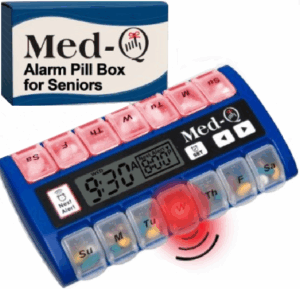
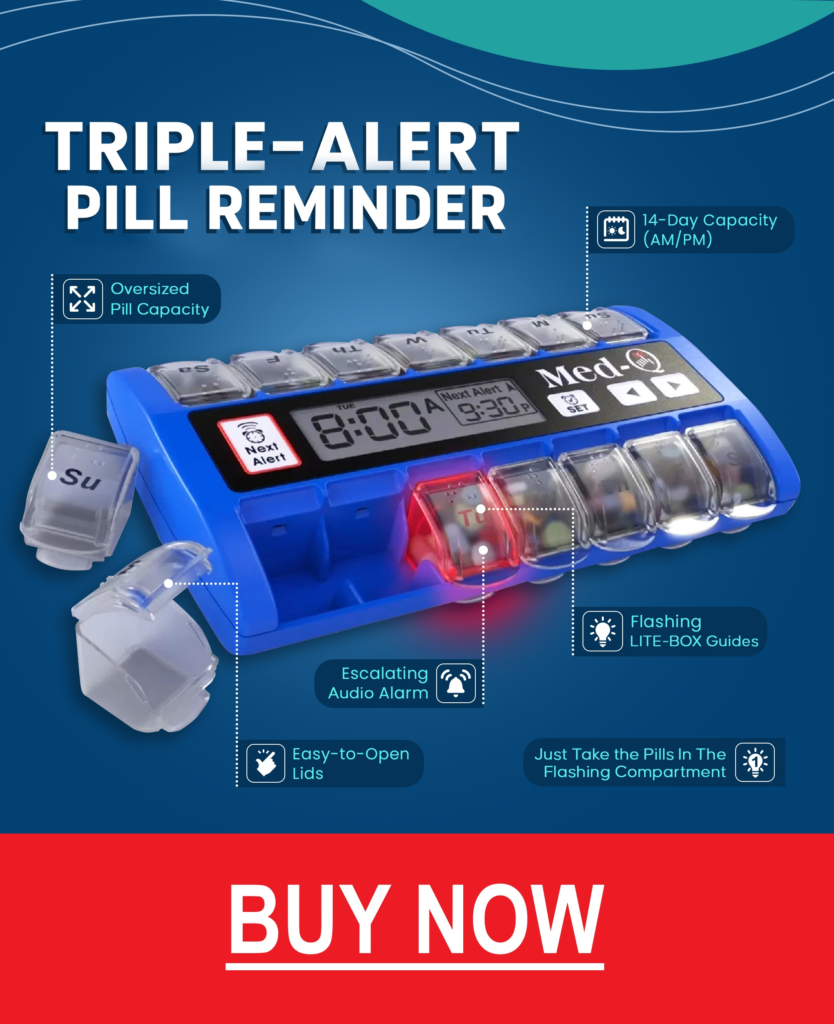
Sponsored by MED-Q Electronic Medication Reminder Alarm timer


Anticholinergics are able to cause dementia like symptoms
Furthermore, Anticholinergics block a specific type of neurotransmitter. In other words, an important brain chemical. Moreover, this chemical is needed for learning. In addition, forming new memories as well as most muscle functions. To sum up, neurotransmitters are the chemical messengers that carry instructions within the brain. Hence, from the brain to the rest of the body as well.
Furthermore, as people get older fewer of these messengers are produced. The outcome, less of this neurotransmitter. For example, trying to block these with other drugs makes it even harder for the instructions to get delivered to the brain. However, if instructions are not able to get to the brain, problems begin. To illustrate, the brain and body will no longer be able to function correctly. In addition, the normal manner. To sum up, this causes dementia symptoms to worsen. Again, some will start showing up in seniors without dementia.
 Anticholinergics can raise dementia risk by over 50 Percent
Seniors who are not suffering from Alzheimer’s or dementia still ought to be very careful of taking anticholinergic prescription medication. Loading up your electronic medication reminder alarm can be dangerous. The reason, they can raise risk of developing dementia.
A study was done with adults over the age of 65. The discovered, seniors who took them had a 50 Percent higher risk of developing dementia The study covered men and women for 3 plus years.

Common anticholinergic drugs include medications used for:
- Behavior problems and other issues, anti psychotic medications
- An Overactive bladder suppresion
- A current Treatment for Parkinson’s Disease
- Eleveat COPD symptoms
- Antidepressants
The shocking truth, OTC (over-the-counter medications) can be just as Bad . Examples, Antihistamines such as Benadryl. Another example, sleep aids like Tylenol PM. Med-Q Medication Reminder offers you a list of medical conditions and the common anticholinergic medications that are used to treat them. This list doesn’t have every single condition or medication. This being said, you can find out if any of your medications are on the list. in conclusion, , you are able to start an educated conversation with their health care professional. In conclusion, learn about the risk versus the benefits.
Common side effects from anticholinergic medications
In addition to blocking neurotransmitters (aka messengers), anticholinergic drugs also have side effects.
Common cognitive side effects include:
- First, Confusion
- Second, Problems with short-term memory
- Third, Problems with reasoning
Some of the most Common physical side effects:
- Getting Blurred vision
- Excessive Drowsiness
- Easily overheating regardless of temperature
- Having a very Dry mouth
These side effects can make existing dementia symptoms worse, In addition, someone without cognitive issues may act like they have dementia.
 What to do if your senior is taking these
The question to ask, “What is in your electronic medication reminder”? First of all, never start, stop, or change dosage for any medications without talking to the doctor. Hence, the doctor should review all of the anticholinergics.The reason, many of the elderly multiple health condition. In fact, many take more than one. Again, this is where the potential for high doses can come from. Finally, these doses will most certainly add up.

What is different drugs are being prescribed by different doctors. Hence, ask their primary physician to review the full medication list. Furthermore, this could also be a good time to weed out drugs that are no longer needed. To conclude, lower the risk of risk of developing dementia with an electronic medication reminder alarm and other proactive methods is the key. As we said before, knowledge is power to independence and Quality of Life.
For More Medication Management Information Visit:
- Managing medication for senior Independence and good health
- What is the best electronic pill reminder with alarm
- Best Smart pill dispenser alarm for Seniors
- Med-Q Electronic Medication Dispenser with alarms
- Med-Q Smart medication Reminder with alarm to the rescue
- Amazing Med-Q Weekly pill box alarm for Dad
- Med-Q Smart Pill Box with alarms For Alzheimer’s
- Smart Medication Timer Box to Prevent Dementia Over dosing
- Med-Q Weekly pill box alarm to the rescue
 Health care profsionals are in agreement, “For most medications, it is safer to accidentally miss a single dose than to double dose” . Keep in mind that the pill/dosing guidelines vary drastically depending on the medication. For example, it is different for blood thinners or something like birth control.), it is always best to double-check with a professional. If in doubt, call the local pharmacy you got the prescription filled. Also, call e the