Medication Management in Senior Living
Best practices for helping Loved Ones in assisted living facilities stay healthy.
Is Medication Management in Senior Living a problem? According to a 2019 report from the Lown Institute, a nonpartisan think tank dedicated to transforming the American health care system, our nation’s older adults have a drug problem. This problem, called polypharmacy, sees older adults increasingly prescribed multiple medications to control a variety of medical disorders.
 Older adults who take between 6 and 9 medications have a 59% greater chance of death when compared to those who take no medications. Taking 10 or more medications is associated with a 96% greater change of death, according to a 2017 study in the Journal of the American Pharmacy Association.
Adverse Drug Interactions Are Common – and Dangerous
The Lown Institute reports that polypharmacy has reached “epidemic proportions. More than 4 in 10 older adults take 5 or more prescription medications a day, an increase of 300% over the past two decades. Nearly 20% take 10 drugs or more. When over-the-counter medications and supplements are included, the number of older people taking five or more drugs rises to 67%.”
With the addition of each drug, the chances of an adverse interaction between the medications increases 7 to 10%. Additionally, many seniors use over-the-counter medications and herbal and dietary supplements, which can further complicate the substance picture and lead to adverse reactions.
Is extra help needed?
Older adults who live in CCRCs, independent living facilities or assisted living facilities do not always have access to medication management services. In some communities, seniors are expected to manage their medications and supplements. Thus, may be prescribed by a variety of doctors and filled by different pharmacies. Again, on their own with little or no intervention from facility staff. This will create situation that leaves loved ones at s bigger risk of adverse interactions. leading to other health consequences.
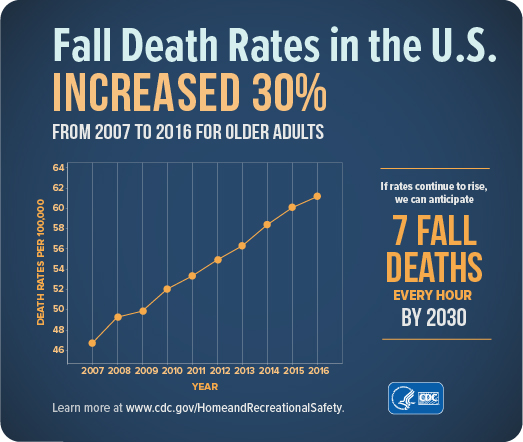
Centers for Disease Control and Prevention reports that in 2017, falls resulted in about 3 million emergency department visits, 900,000 hospitalizations and 30,000 deaths among older adults.
Adverse Interactions and Heightened Side Effects
It’s important to realize that older adults may respond differently to medications than younger people. Some medications can increase light-headedness, dizziness as well as drowsiness. Often, these effects will be worse in older adults who may not be as quick to metabolize the compounds that create these issues. This can lead to a bigger risk of dangerous falls.
Helping Residents With Medications
If you’re interested in better supporting Loved One with medication management, the following best practices guidelines may help you work with seniors and their prescribes for improved health outcomes:
- Take advantage of Modern Technology. If you know that a Loved One is on a complex medication schedule. relay on technology. There is a new type of In-Home pill boxes with alarms and Pill dispensers with timers. There are also smart phone medication reminder apps and services that will call to remind the resident. These pill box reminders should be used as a first line of defense for good health and well being.
- Know what medications residents are taking. If you know that a Loved One is taking a medication that could potentially cause dizziness, keep an eye out for warning signs. First, talk them about what they take. Second, ask if something seems unusual. Third, if they are suddenly prescribed additional medications, there could be potential problems in store.
 Educate and empower residents. Let your Loved One know that taking multiple medications can have risks . Encourage them to talk to their pharmacists and doctors about what they’re taking. This is especially important if medications are being prescribed by a number of different doctors or being filled by different pharmacies. This leads to potential negative interactions that might not be caught. Disclosure and open communication is always the best approach.
- Look to technology solutions to better manage it all. A central electronic health records system that tracks all medications taken by everyone in the facility can help your staff members stay on top of medication changes among Loved One. Such systems can also help with giving medication, so that seniors get their medications when they’re supposed to.
- Educate staff. Make sure your staff members who are involved with medication management are up-to-date on any and all certifications related to managing medications. Let them know the potential for medication-related issues around you Loved One. . A forewarned staff member is forearmed to appropriately deal with the situation.