

[cherry_sharing networks=”facebook,googleplus,pinterest,stumbleupon,reddit,twitter,linkedin,tumblr” style=”only-logos”]
The 289 Billion Cost Of Medication NonCompliance
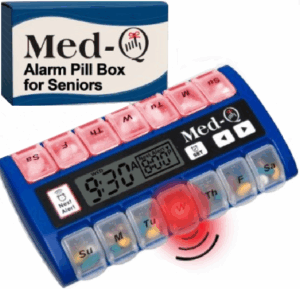
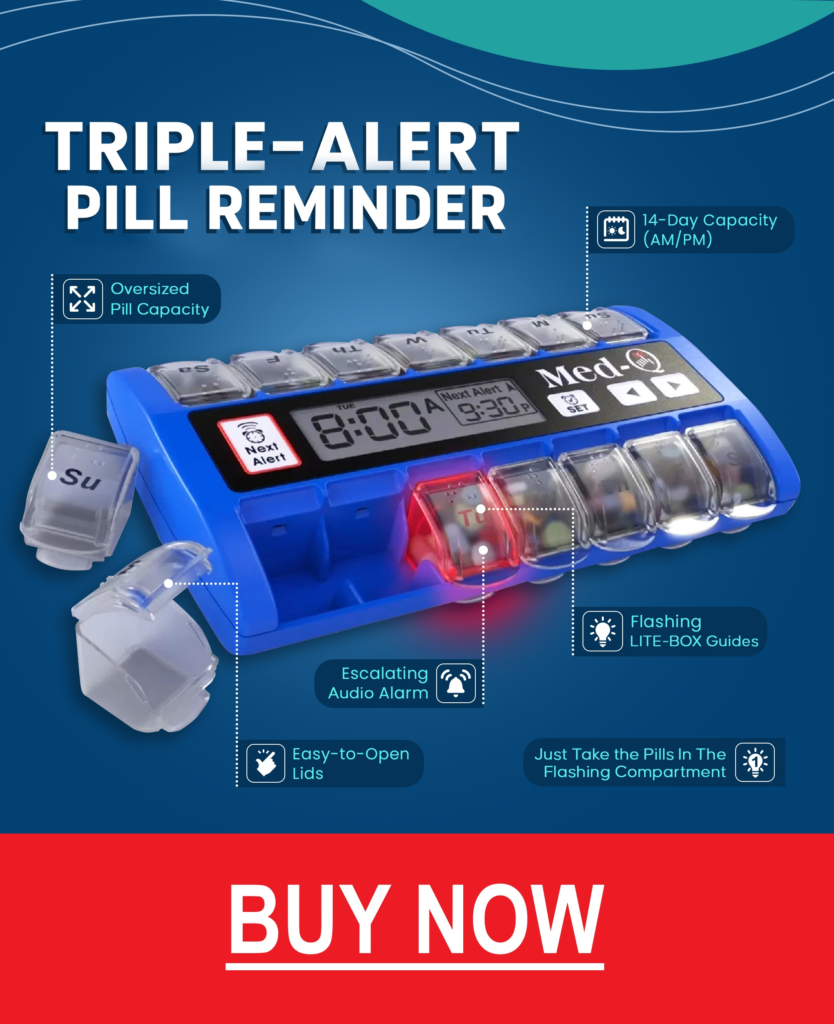
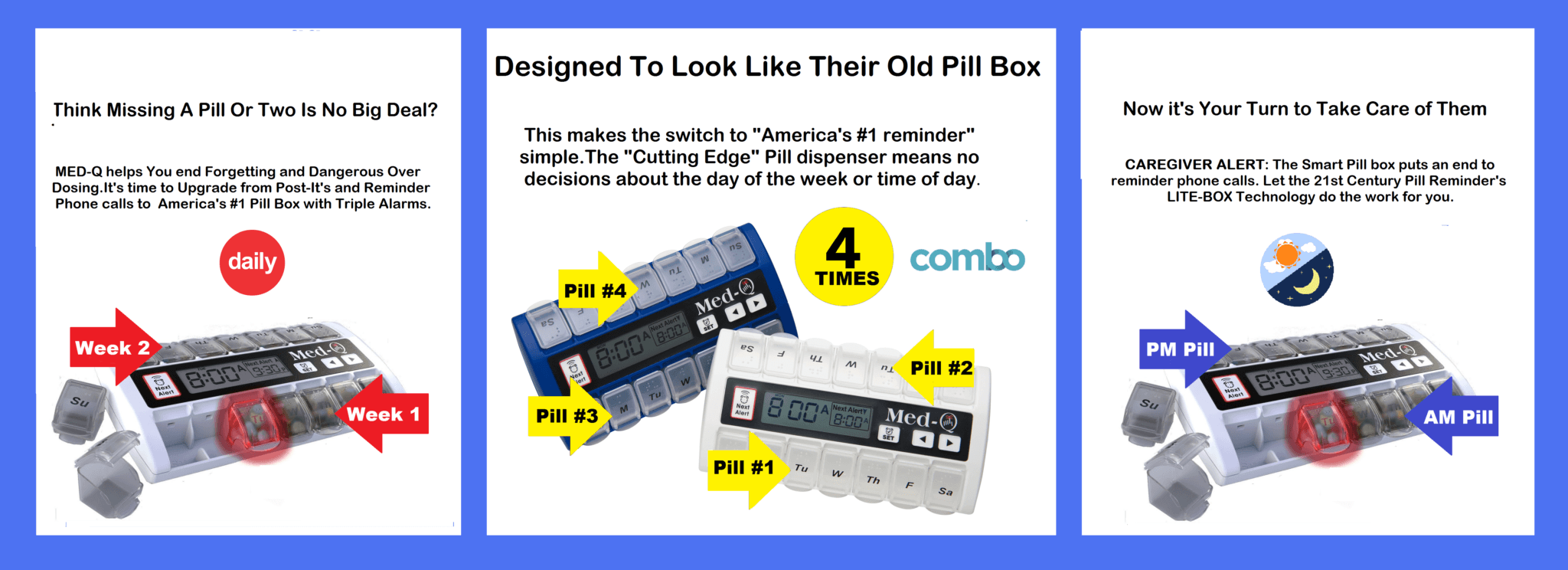
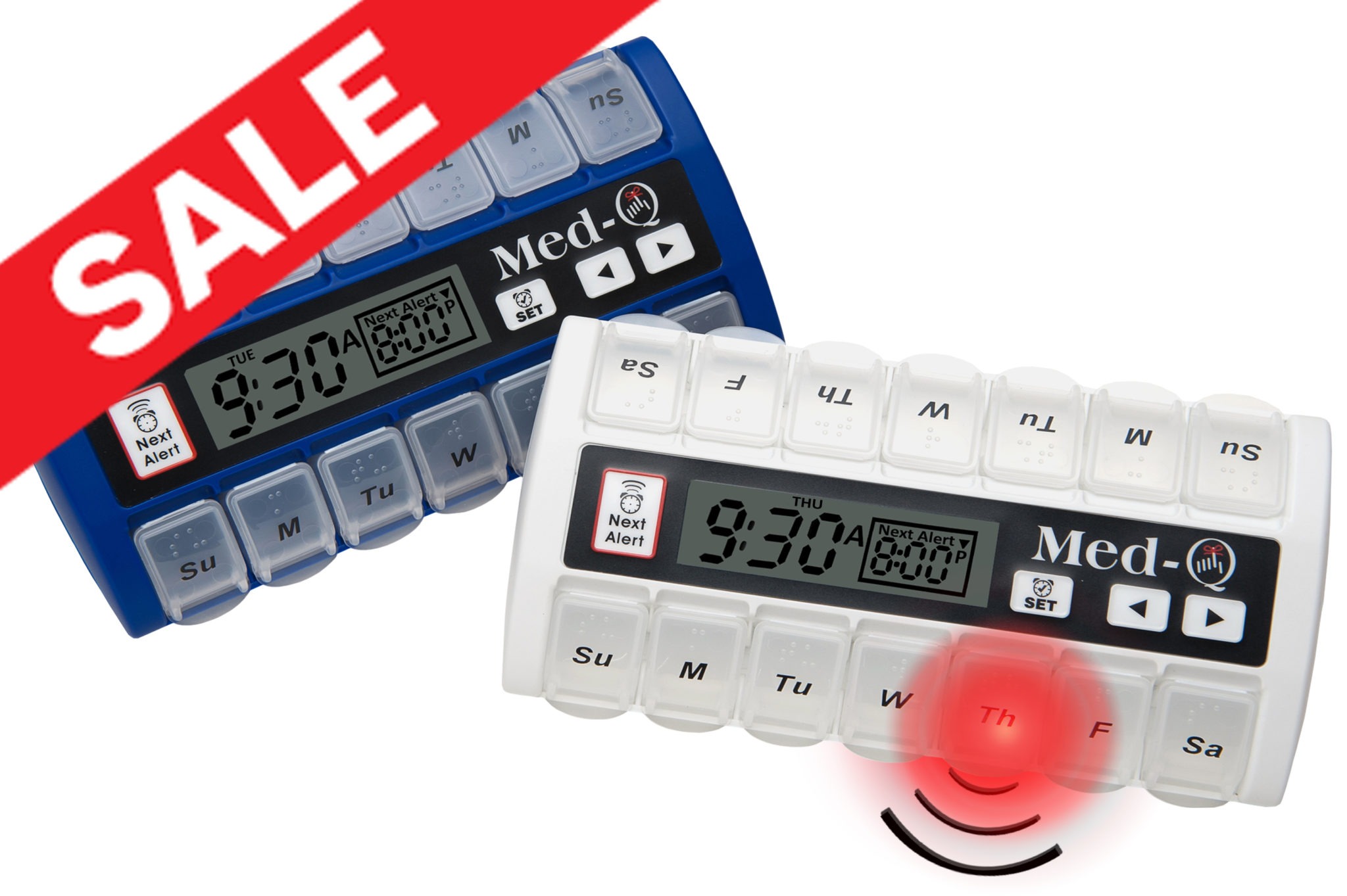
First of all, The 289 Billion Cost of medication noncompliance is no joke. First, things that can be done to solve it. For example, an electronic pill box with timer & alarm. Again, Pill dispensers and programmable pillboxes would significantly reduce the health care costs. For example, it has been estimated that the United States swastes 250 billion a year. Furthermore, much of this comes from duplication and inefficacies in administration. However, it is estimated that 40% comes from not taking medication as prescribed. Med-Q weekly pill box says, “Something as simple as a pill dispenser helps with medication noncompliance. Again, people need to take medication in the proper dosages and at the proper times. Hence, compliance can save Billions.
Cost of Medication Noncompliance
Providers are trying to understand behaviors affect the health-care system
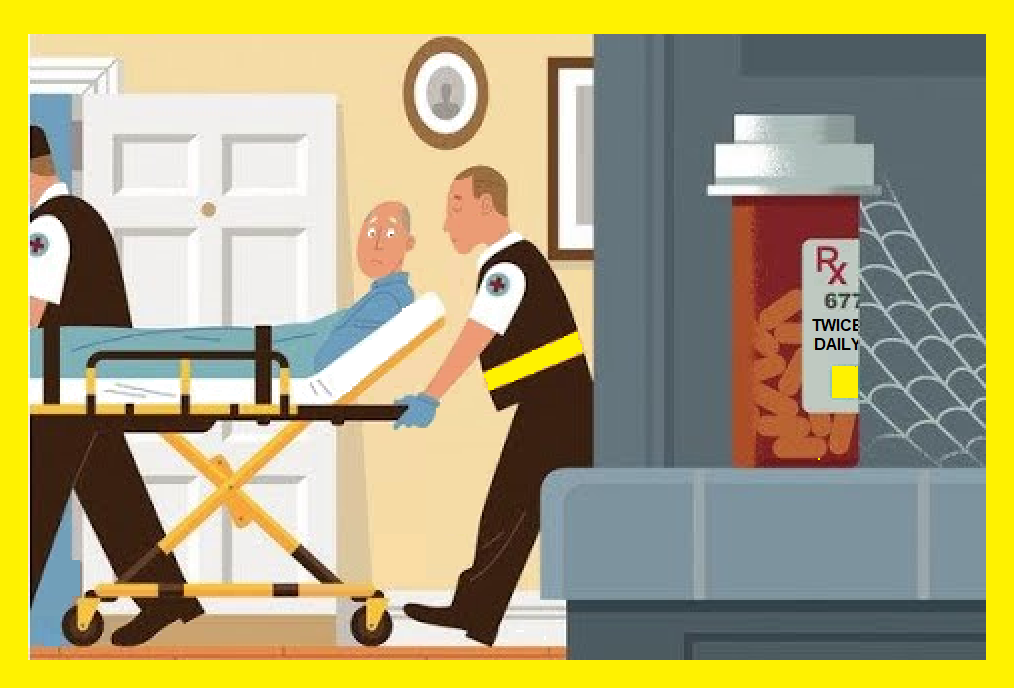
Again, trying to find ways to improve medication adherence.
Again, use a programmable pillbox that uses alarms and alerts. Consequently, this will remind the user when to take their medication. To sum up, eliminate the forgetting and double dosing problem.
- Stop Listening To Ridiculous Internet Health Advice
- Alzheimer’s Smart PillBox
- Best Smart pill dispenser alarm reminder
- 5 Best Automatic Pill Dispenser Alarm Reminder 2019 Review
- Mom Forgetting Pills
- Automatic Pill Reminder best Friend
- Common Medication Mistakes
- Mom Forgetting Pills
- Forgetting Diabetes Medications
- Stress is America’s #1 Health Problem
Switching to better packaging
At the user level, blister packs have been shown to boost compliance. For example, those suffering from hypertension. At the systemic level, appointing a health professional to oversee a patient’s care will greatly improve medication adherence . For example, seniors with hypertension, heart failure as well as depression.
Give health professionals access to compliance data
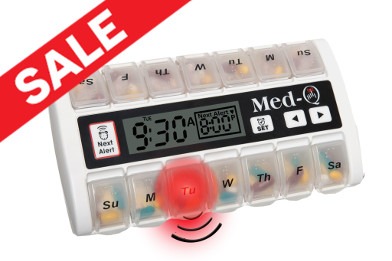
If a doctor knows a patient has had trouble taking their pills regularly, they should intervene. Reducing out-of-pocket costs by trimming co pays or expanding drug coverage led to a 14 percent decrease in the rate of heart-disease patients . Especially true, those having their first vascular event (e.g., a stroke or heart attack).
Even if they have medications in their cabinets, patients may be less likely to take them on schedule for fear of being unable to afford refills later. Improving drug affordability may therefore cause financially challenge buyers to refill their prescriptions as needed rather than on the basis of their budgets
The fifth finding seems especially well timed. It proves government policies like Medicare Part D and the recently in acted Affordable Care Act, The ACA has saved seniors an estimated 4 Billion dollars of today
By saving lives and eliminating waste, increasing prescription adherence is good for the health industry and the broader economy
It is important to note, health care at the individual level is still about real human beings. Even if it weren’t true that better medication compliance led to reduced health-care costs, better outcomes improved quality of life and increased longevity. Simple cost effective solutions, if addressed properly can take a huge bite out of the wasted dollars and resources
For More Medication Management Information Visit:
- Managing medication for senior Independence and good health
- What is the best electronic pill reminder with alarm
- Best Smart pill dispenser alarm for Seniors
- Med-Q Electronic Medication Dispenser with alarms
- Med-Q Smart medication Reminder with alarm to the rescue
- Amazing Med-Q Weekly pill box alarm for Dad
- Med-Q Smart Pill Box with alarms For Alzheimer’s
- Smart Medication Timer Box to Prevent Dementia Over dosing
- Med-Q Weekly pill box alarm to the rescue
According to meta-analysis published in Sept 2012 in the ANNALS of INTERNAL MEDICINE
Americans are simply failing to comply with medication prescriptions. Hence, pills given by their healthcare providers are not being taken properly. Subsequently, there is a variety of reasons. Furthermore, it is costing anywhere between 200 to 289 billion per year. In some 20 percent of all cases prescriptions are never filled. Up to 65% of pills and supplements aren’t taken as directed. Medication noncompliance creates major physical, emotional and financial headaches for patients and doctors alike.
These problems often become life threading and can even result in premature deaths. An example, someone with congestive heart failure who doesn’t take their diuretics as needed, in the correct dosages and at the correct times often wind up in the hospital again and again. Startling statistics, “failure to follow prescriptions causes some 125,000 deaths a year and up to 10 percent of all hospitalizations”
Meta-analysis in the ANNALS of INTERNAL MEDICINE regarding medication noncompliance
, Americans are simply failing to comply with medication prescriptions that have been given by their healthcare providers for a variety of reasons and it is costing anywhere between 200 to 289 billion per year. In some 20 percent of all cases – and could go a high as 29 percent — prescriptions for medication are simply never filled. Up to 49 percent of medications aren’t taken as prescribed. Medication noncompliance creates major physical, emotional and financial headaches for patients and doctors alike.
These problems often become life threading and can even result in premature deaths
An example, someone with congestive heart failure who doesn’t take their diuretics as needed is in trouble. To illustrate, the correct dosages and at the correct times. Again, not practicing medication noncompliance puts people in the hospital again and again. Startling statistics, “failure to follow prescriptions causes some 125,000 deaths a year and up to 10 percent of all hospitalizations”.
 Health care profsionals are in agreement, “For most medications, it is safer to accidentally miss a single dose than to double dose” . Keep in mind that the pill/dosing guidelines vary drastically depending on the medication. For example, it is different for blood thinners or something like birth control.), it is always best to double-check with a professional. If in doubt, call the local pharmacy you got the prescription filled. Also, call e the