Elementor #239682

Elementor #239682

Equipping a home for elderly care involves safety modifications

Equipping a home for elderly care involves safety modifications mobility aids, and assistive devices to prevent falls, support independence, and enhance daily living.

Bathroom Safety

Bathrooms are high-risk areas for falls. Essential equipment includes:

  • Grab bars: Wall-mounted, anchored into studs near toilets and showers to support balance and prevent slips .
  • Raised toilet seats with armrests: Facilitate safe sit-to-stand movements for seniors with hip or knee issues .
  • Shower chairs or transfer benches: Allow seated bathing, reducing fall risk .
  • Handheld showerheads: Improve control and comfort during seated bathing .
  • Non-slip mats and adhesive strips: Provide traction inside and outside the tub .
pill dispenser with alarmpill box medication reminderMedication Reminder or Smart Pill Box

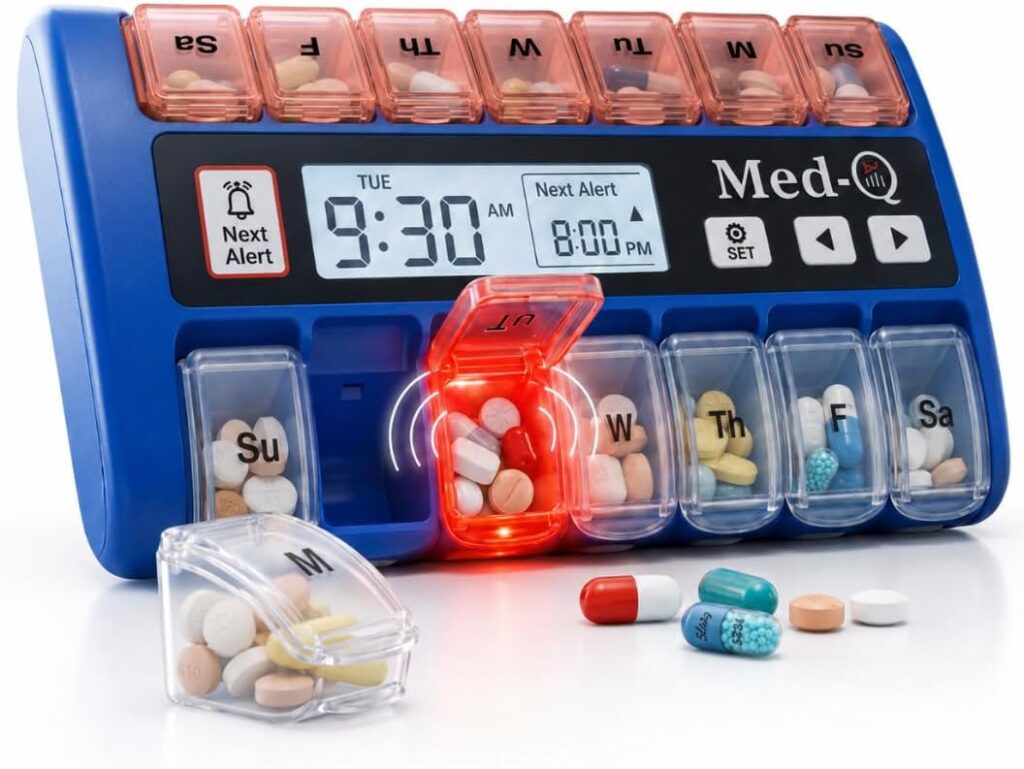
  • Digital Pillbox: Full-electric digital pill reminder to prevent forgetting or miss dosing.
  • Modern pill dispenser s can be programmed at individual times the meds are to be taken
  • A smart medication dispenser is practically helpful with people with Alzheimer’s or dementia. 

Special beds for sleeping needs

  • Adjustable hospital beds: Full-electric beds with height adjustment and head/foot elevation prevent caregiver injuries and support safe transfers .
  • Pressure-relief mattresses: Alternating pressure or gel mattresses reduce risk of pressure injuries .
  • Bed rails and overbed tables: Aid in safe transfers and daily activities like meals or medication management .

Mobility and Transfer Aids

  • Walkers, rollators, and canes: Provide stability and support for walking indoors and outdoors .
  • Wheelchairs and mobility scooters: Manual or powered options for those with limited mobility .
  • Transfer devices: Gait belts, slide boards, and patient lifts assist in safe movement between bed, chair, or wheelchair .
  • Stairlifts and ramps: Ensure safe navigation of multi-level homes .

Daily Living and Kitchen Aids

  • Reacher/grabber tools: Reduce bending or stretching, preventing falls .
  • Jar openers and easy-grip utensils: Assist seniors with arthritis or limited hand strength .
  • Automatic can openers and adaptive kitchen tools: Enhance independence in meal preparation .

Health Monitoring and Emergency Systems

  • Medical alert systems: Provide immediate access to help in emergencies, often with fall detection .
  • Medication reminders and pill dispensers: Ensure correct dosing and reduce missed medications .
  • Blood pressure monitors, pulse oximeters, and thermometers: Enable seniors to track vital signs at home .

Home Safety and Accessibility

  • Motion-sensor night lights: Illuminate hallways and bathrooms to prevent nighttime falls .
  • Doorbell cameras and video intercoms: Enhance security and reduce the need to rush to the door .
  • Handrails on stairs and ramps: Provide additional support for safe movement .

Additional Considerations

  • Bath lifts and lift chairs: Assist with safe bathing and standing from chairs .
  • Incontinence supplies: Adult diapers, bed pads, and protective creams maintain hygiene and comfort .
  • Assistive technology: Smart home devices like Amazon Echo Show 8 can help seniors stay connected and manage daily tasks .
    Investing in these home modifications and equipment can significantly reduce fall risk, enhance independence, and improve quality of life for elderly individuals while also reducing caregiver strain . It is recommended to consult with an occupational therapist or healthcare professional to tailor equipment choices to individual needs.

Daily Living and Kitchen Aids

  • Reacher/grabber tools: Reduce bending or stretching, preventing falls .
  • Jar openers and easy-grip utensils: Assist seniors with arthritis or limited hand strength .
  • Automatic can openers and adaptive kitchen tools: Enhance independence in meal preparation .

Health Monitoring and Emergency Systems

  • Medical alert systems: Provide immediate access to help in emergencies, often with fall detection .
  • Medication reminders and pill dispensers: Ensure correct dosing and reduce missed medications .
  • Blood pressure monitors, pulse oximeters, and thermometers: Enable seniors to track vital signs at home .

elderly Caregiver

Home Safety and Accessibility

  • Motion-sensor night lights: Illuminate hallways and bathrooms to prevent nighttime falls .
  • Doorbell cameras and video intercoms: Enhance security and reduce the need to rush to the door .
  • Handrails on stairs and ramps: Provide additional support for safe movement .

Additional Considerations

  • Bath lifts and lift chairs: Assist with safe bathing and standing from chairs .
  • Incontinence supplies: Adult diapers, bed pads, and protective creams maintain hygiene and comfort .
  • Assistive technology: Smart home devices like Amazon Echo Show 8 can help seniors stay connected and manage daily tasks .
    Investing in these home modifications and equipment can significantly reduce fall risk, enhance independence, and improve quality of life for elderly individuals while also reducing caregiver strain . It is recommended to consult with an occupational therapist or healthcare professional to tailor equipment choices to individual needs.
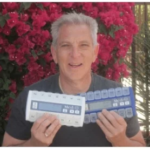
If you can’t remember whether you took your medication, what do you do?

What happens if you don’t remember if you took your medications?  When one is not sure if you took a pill, never, ever just take another dose yet. What could happen if you double dose?  If someone ingests an additional dose, the consequences can be deadly. In fact, an extra dose can raise the risk of harmful effects. Check your pill organizer, count the remaining pills in the bottle, or review the instructions that came with your prescription to find specific guidance. 

doctorHealth care profsionals are in agreement, “For most medications, it is safer to accidentally miss a single dose than to double dose” . Keep in mind that the pill/dosing guidelines vary drastically depending on the medication.  For example, it is different for  blood thinners or something like birth control.), it is always best to double-check with a professional.  If in doubt, call the local pharmacy you got the prescription filled.  Also, call e the America’s Poison Centers at 800-222-1222 .  This can help if you are concerned about over dosing. 

For further guidance, consult I can’t remember whether I took my medication, what do I do? on Medical News Today. To help prevent confusion in the future, you can implement some 9 Simple Strategies for Remembering To Take Your Medication or read the Why You Shouldn’t Skip Your Medication guide on WebMD.
 
If you are missing doses consistently, a few strategies can help get your routine back on track:
  • Use a weekly pillbox: These old fashion pill holders can be useful.   They show a quick visual cue to show which days  doses have been taken.
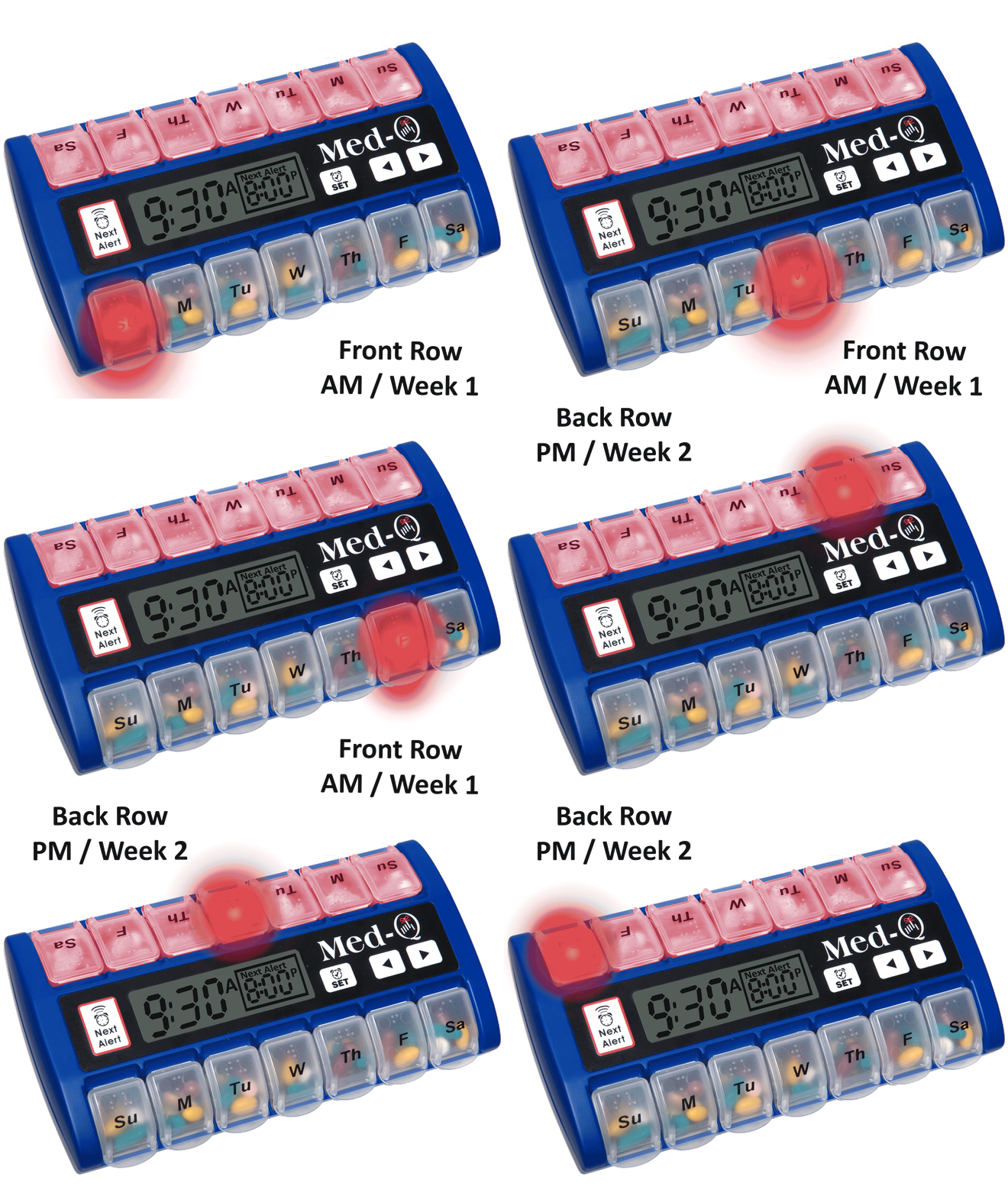
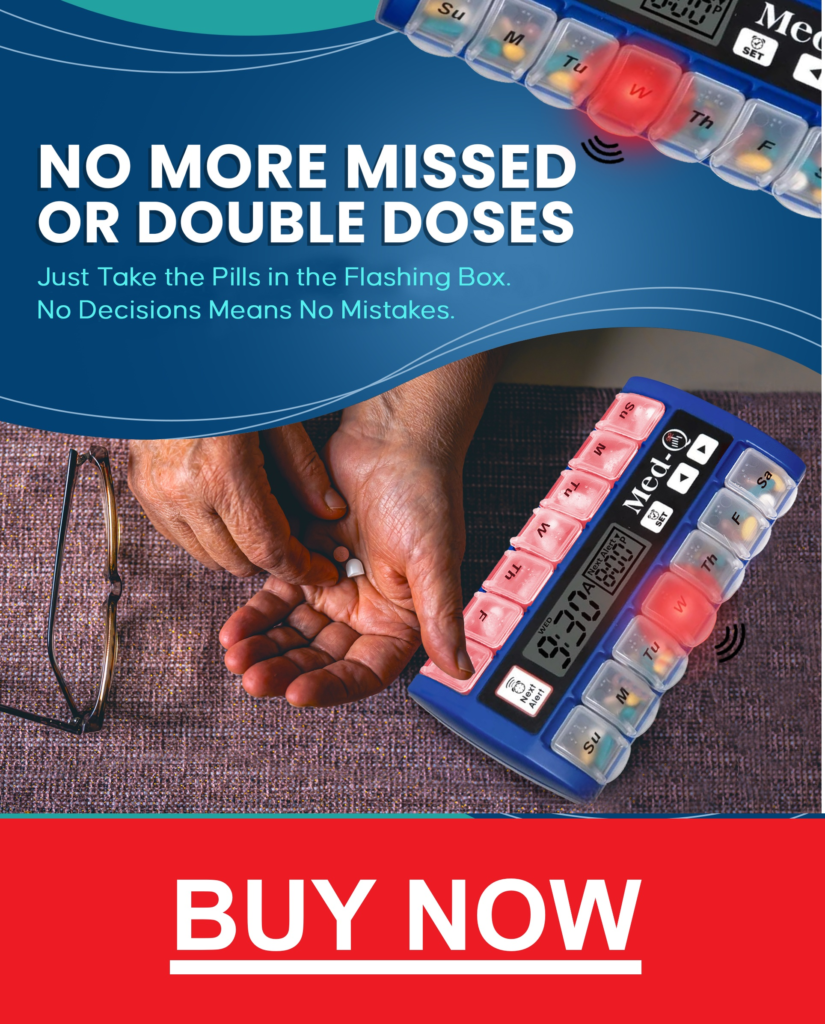
  • Use a Digital Pill Reminder: Medication reminders, like the Med-Q pill Box. have flashing guides.  These alarmed reminders help preventing over dosing. 
  • Try to do Habit stacking: Match up your daily pill-taking with a non-negotiable daily habit.  For example, your first cup of coffee or brushing yourhair.
  • Set electronic reminders: Use persistent reminder apps, alarm clocks, or simple smart phone alarm reminders.

What to do if Unsure?

The worry about over doing is real.  When unsure whether the dose has been taken, the best thing to do is speak with your health care provider or even your pharmacist. They will  advise you on the best course of action based on ythe specific medication. that is over dosed.

pill box for seniors

If you take oral tablets or capsules, you can count how many pills you have left. If you know when you started taking the pills out of that prescription bottle, this could help you determine whether you’ve taken your dose for that day.

Sometimes, when you haven’t taken your medication, there may still be time to take that dose. However, this could depend on the drug and dosing schedule.

Although in some cases, if it’s almost time to take your next dose, your doctor may recommend skipping the missed dose and taking your next dose at its regular time. Never take two doses at once to make up for a missed dose as doing so could raise your risk of side effects.

What happens if you accidentally take your medication twice?

Do not take more of a drug than your doctor prescribes. While serious side effects may be rare, for some medications, taking more than the recommended amount may lead to harmful effects or overdose. Some of the most dangerous medications to double-dose include:

  • heart maintenece medications
  • ADHD drugs, for example “Adderall”
  • medications for Type 1 Diabetes
  • prescription narcotic pain pills
  • psychiatric medications , for example “Wellbutrin.”

If you have any doubt, act quickly. 

Fist of all, contact your doctor right away.  Let them know you may have accidentally taken two doses or three doses of your daily medication. They will offer up advice.  The Healthcare profesional can often advise of what steps to take.  Also, they will let you know about symptoms to watch out for.

pill dispenser
America's #1 Pill Dispenser with Triple Alarms

Recent Tips

Scroll to Top