
[cherry_sharing networks=”facebook,googleplus,pinterest,stumbleupon,reddit,twitter,linkedin,tumblr” style=”only-logos”]
Giving medications to Alzheimer’s or dementia sufferers

Med-Q hears from caregivers about the difficulties of Giving medications to Alzheimer’s or dementia sufferers . The same applies for other kinds of dementia. “When I give Dad his meds, he gets very mad. For example, we hear, “NO,NO,NO” . Med-Q medication Pill Box Reminder system is asked , “What is the best way to deal with this challenge”. To sum up, it is critical for life saving medications are taken as prescribed by the health care professional. Finally, caregivers need all the help they can get for giving medications to someone with Alzheimer’s or dementia .
First, if confronted by this situation, it is important to remember that the behaviors of people with Alzheimer’s disease think differently. For example, acting out is actually attempts to communicate. Furthermore, try to look at the situation from the patients view point. In fact, this is useful in controlling the bad behavior. To sum up, like for ways to focus on finding a solution to giving medications to Alzheimer’s or dementia sufferers .
Helpful Tips for Giving medications to Alzheimer’s sufferers
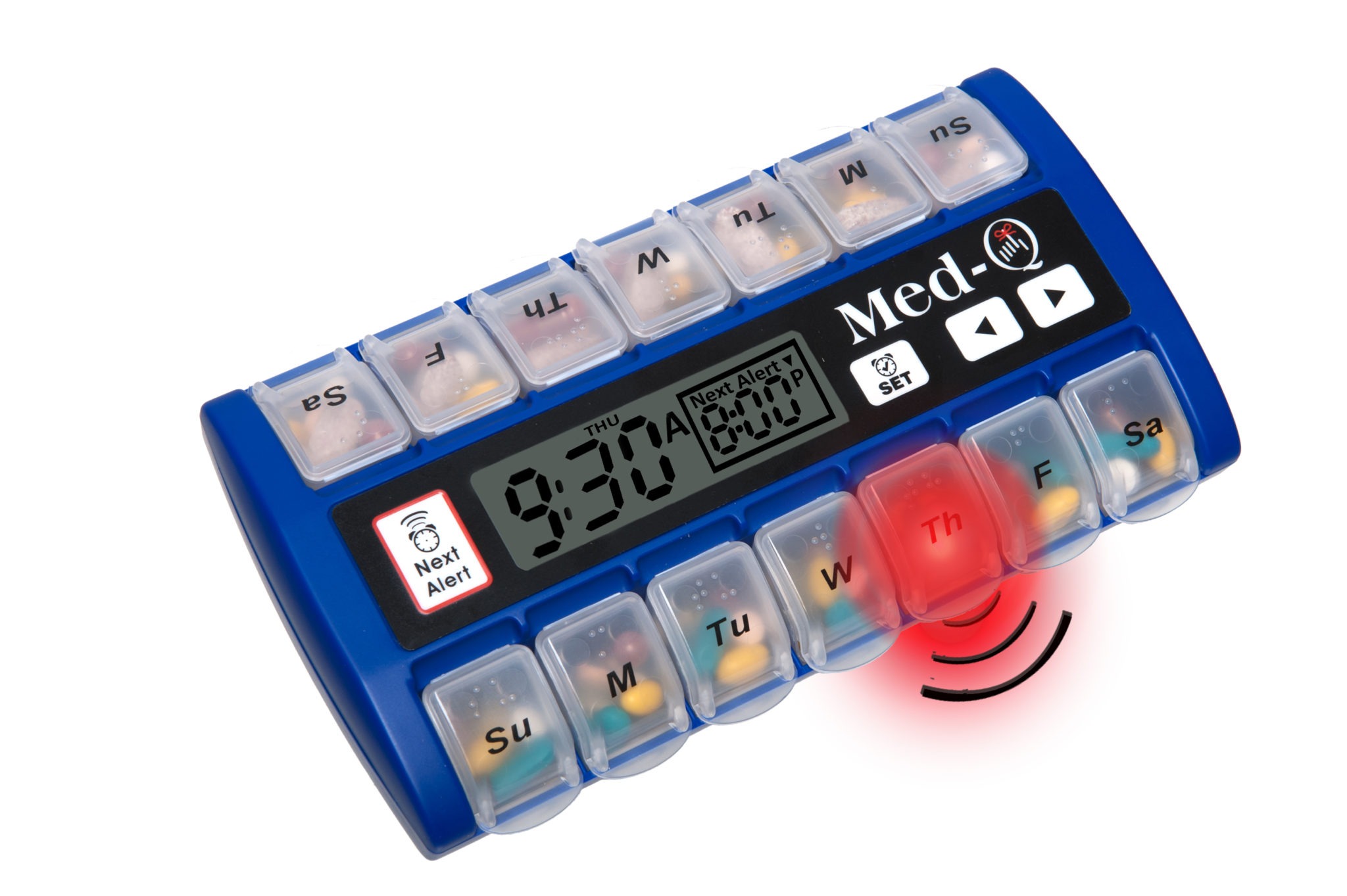
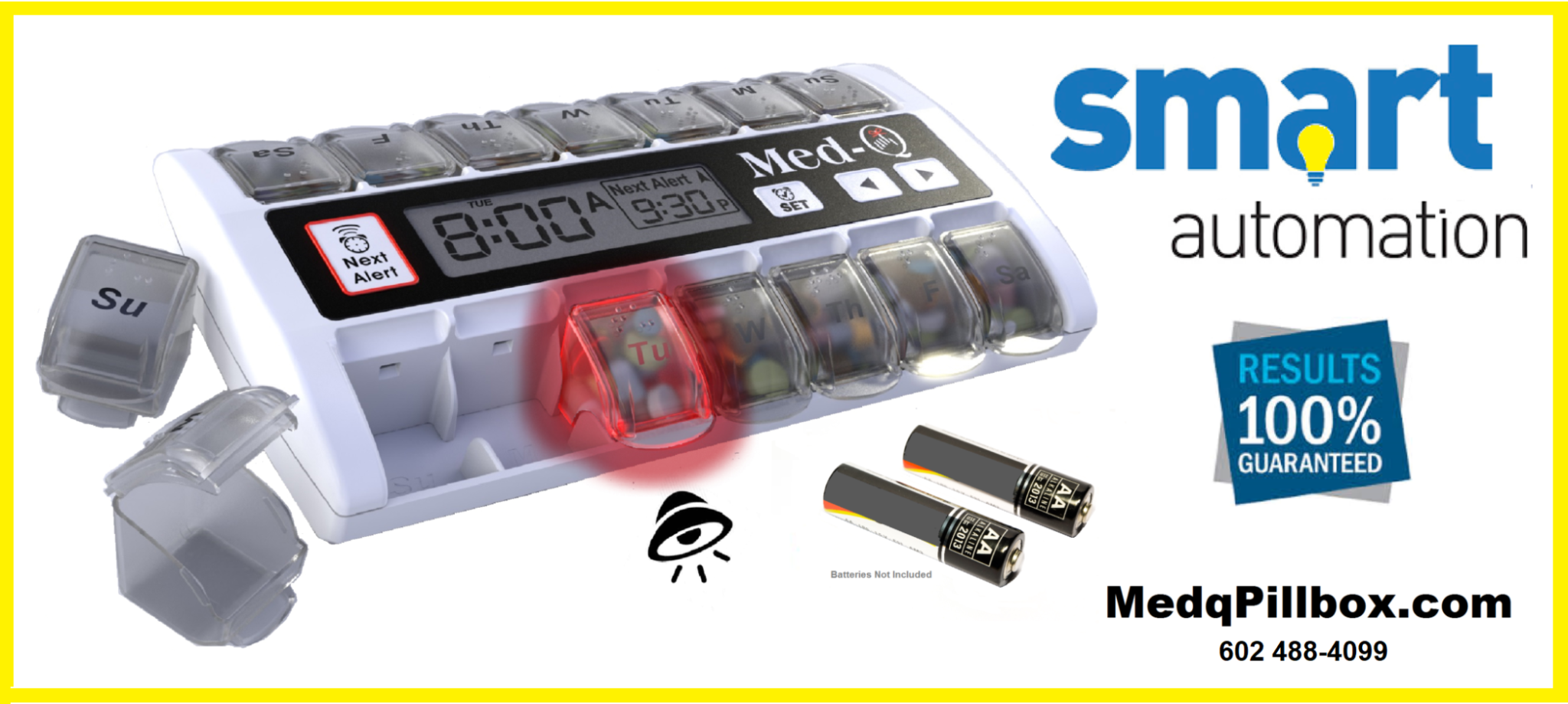
First of all, it is difficult to get a senior with Alzheimer’s to take medication properly. Seniors suffer from Age Induced medication Mistakes (AIMM’s). This is a normal part of the aging process. For many, an old fashion pill box does the job. However, most need a smart pill reminder with alarms and timer. For example, the Med-Q Smart pill reminder box. Again, AIMM’s should not be confused with Alzheimer’s or dementia.
Giving medications to someone with Alzheimer’s or dementia tips
First, provide a calm, stable environment. Seniors suffering with Alzheimer’s requires needs you to provide it. Again, at medication time, be sure there is a calm, quiet environment through out the entire home. For example, soft music and no TV. Furthermore, caregiver need to make certain they are also feeling calm.
Giving medications to Alzheimer’s or dementia sufferers is no easy task. First, why do people resist medications? To illustrate, this can be a response to feeling rushed as well as scared. Another example, being afraid, or confused about what is being done. Hence, the feeling of ” loss of control” will cause a triggered resistance, leading to anger.
Med-Q recommend that the caregiver trd to break the process down into steps.
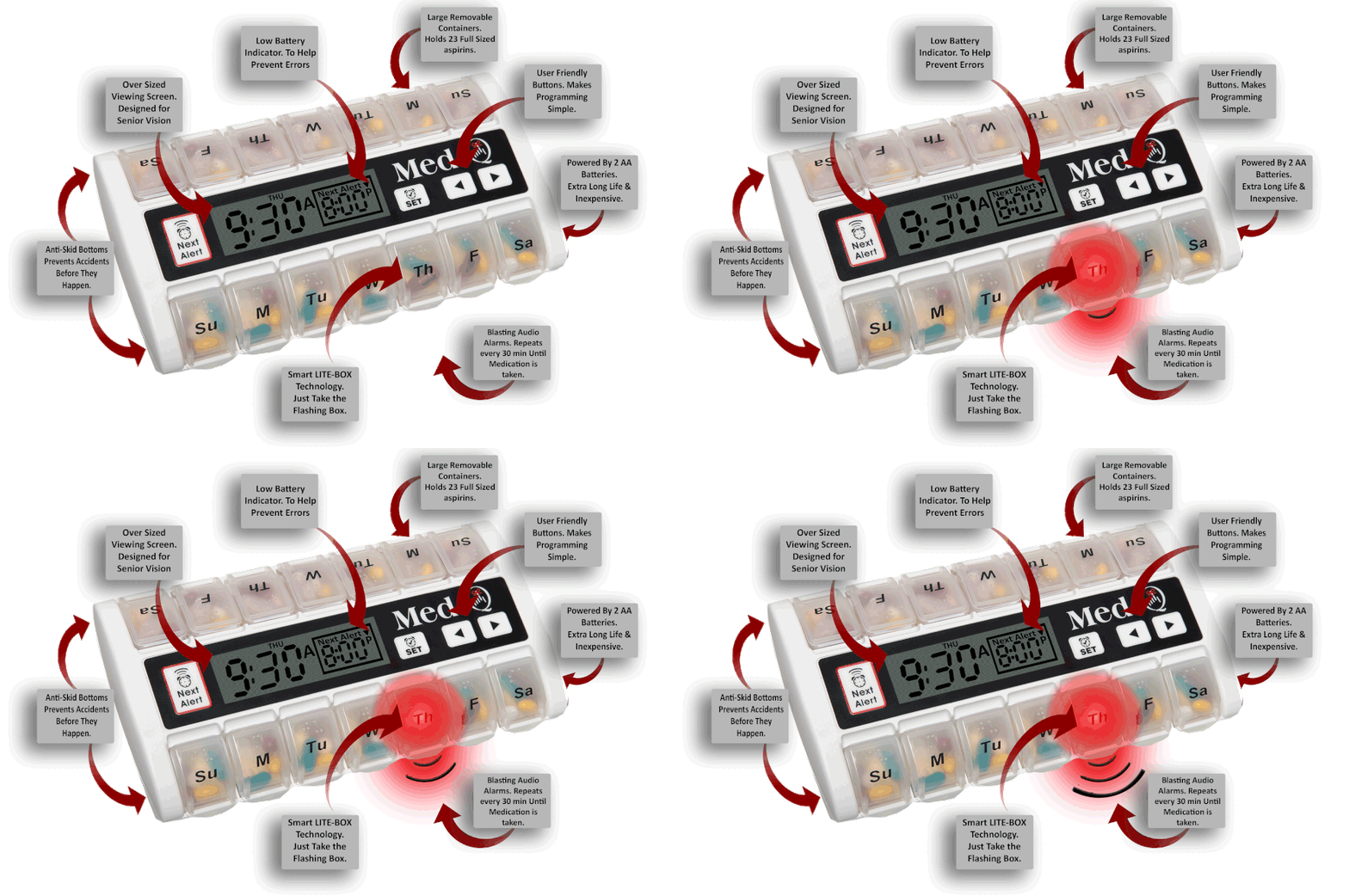
For example, when the smart pill reminder box starts to flash, let it be know that it is also going to beep.
Gives lots of reassurance and speak calmly. Again, you are taking what needs to be done. Example, it’s time to take your blood pressure pills now. Give them time to process the new info.. Any part of the process they can participate in should be encouraged. To illustrate, have them press the next alert button on the pill box reminder. Perhaps you will need to pour the water into the glass, but they can pick the pill up from the Pill Box reminder with alarm and put it in their own mouth.
Doctors and pharmacist are valuable consultants for the caregiver
Prevent Resistant behavior for giving medications to Alzheimer’s or dementia sufferers
Some with Alzheimer’s get distressed at the sight of pill reminder box. Are there a lot of pills? For example, it may seem to be an overwhelming sight? If so, take the pills out of the pill box reminder box at pill time. Furthermore, leave the prescription bottles hidden away.. Some caregivers obtain success with offering up only one pill at a time.
If you think y giving of medications at a different time of day will help, consult with these two professionals. If, and only if, the say yes, dispense the meds at these times. To illustrate, the caregiver will know best about the patient’s best time of day. Finally, the doctor and pharmacist must always be consulted about any changes in dosages, times, etc. These help with simplifying giving medications to Alzheimer’s or dementia sufferers
Tips for giving medications to someone with Alzheimer’s or dementia
Some pills are too large and hard to swallow
First, talk to the doctor physician or pharmacist. If OKed, if possible, crush the pills and mix the into some king of food stuff. For example, try applesauce as well as yogurt. Remember, many prescription medications are not made to be crushed. Again, always consult with the doctor or pharmacist. Finally, many medications come in a liquid form. Check with the physician to see if this is an option.
If possible, take your medications together to make it fun
Be prepared. When all else fails, and it sometimes will, set everything aside for a few minutes. Hence, the need to give a little time so every one can calm down. Subsequently, return to the pill reminder box with alarms in 5-10 minutes. Keep in mind, behaviors will change over time. Hence, what works today, may not work tomorrow.
How to Care for the Caregiver
Caregiver know the rewards and the burdens of being a family caregiver. Not enough can be said for giving yourself the support and respite you need to successfully continue on this journey as a caregiver. Use modern tool . For example, a smart pill box reminder with alarms for medication management. Another example, auto door locks to prevent Alzheimer’s wandering.
First, join a local caregiver’s support group. Second, meet regularly with other caregivers for the much needed mutual support. Furthermore, a great place to get and share tips, ideas and resources for care giving. It will remind you that you have others around you who understand your role as a caregiver.
Finally, Caregivers must do something to rejuvenate.
It is vital to well being, both physically and mentally. The same applies to the loved one with Alzheimer’s. To sum up, a provocative stance with Giving medications to Alzheimer’s or dementia sufferers makes the caregiver’s life easier.
Resources:
- Alzheimer’s Disease Pill Reminder with alarms and timer (Helpful Information to Understand how to give medication to someone with Alzheimer’s or dementia)
- Med-Q Medication Compliance System Info regarding Alzheimer’s Disease
For More Medication Management Information Visit:
- What is the best electronic pill reminder with alarm
- Best Smart pill dispenser alarm for Seniors
- Med-Q Electronic Medication Dispenser with alarms
- Med-Q Smart medication Reminder with alarm to the rescue
- Amazing Med-Q Weekly pill box alarm for Dad
- Med-Q Smart Pill Box with alarms For Alzheimer’s
- Smart Medication Timer Box to Prevent Dementia Over dosing
- Med-Q Weekly pill box alarm to the rescue