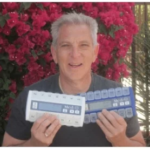
Sm,art Pill Dispenser filled with Medication For Difficult Behaviors in Dementia
First of all, there is no cure for Dementia. This being said, Medication For Difficult Behaviors in Dementia has shown some success. Most pill dispensers will hold a couple of pills or meds used to treat difficult behavior. Here is 2 top medications , effect, results as well as potential side effects. To sum up, a smart pill dispenser can hold benefits. However, no cure at this time.
Antipsychotics often used in older Dementia adults
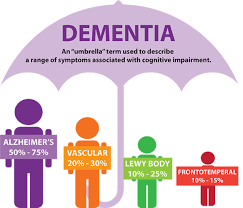
First of all, Antipsychotics, also known as neuroleptics or major tranquilizers. Medications are a class used to manage psychosis. For example, delusions, hallucinations, paranoia as well as a disordered thought process. Finally, used principally in schizophreni. In addition, for treating bipolar disorder.
Commonly used drugs: Antipsychotics often used in older adults include:
- First, Risperidone (The brand name is called Risperdal)
- Second, Quetiapine (The brand name is Seroquel)
- Third, Olanzapine (brand name: Zyprexa)
- Fourth, Haloperidol ( Haldol is the brand name)
Sponsored by Med-Q Electronic Pill Dispenser with Alarm

[cherry_sharing networks=”facebook,googleplus,pinterest,stumbleupon,reddit,twitter,linkedin,tumblr” style=”only-logos”]
The Usual effects of Most antipsychotics is of a sedating nature
Risks of use: The risks of antipsychotics are related to how high the dose is, and include:
A Medication dispenser filled with these pills can be helpful. To illustrate, taking a pill from the medication dispenser at the right time and doses will often calm agitation. The same pills can reduce aggression through these sedating and calming effects. Antipsychotics reduce some psychosis symptoms. For example, hallucinations as well as having paranoid beliefs. Finally, it is very rare for them to completely fix the issues for seniors with dementia.
What kinds of medication for difficult behaviors
- First, a possibility of Decreased cognitive function. Second, the possibility of accelerating the speed of the cognitive decline
- Increased chances of having falls
- Again, an elevated likelihood of stroke. The same applies with even death. In fact, estimated risk increase of up to 4 Percent
- A risk of side-effects known as “extrapyramidal symptoms. The synonyms, stiffness as well as tremors. Hence, the shaking is similar to Parkinson’s disease.
- Furthermore, People with Lewy-body dementia or a history of Parkinsonism should take extra caution. They may be unusually sensitive to antipsychotic side-effects. To sum up, for those, quetiapine is considered a safe choice
Evidence of clinical efficacy: Clinical trials often find a small improvement in symptoms. However, this is offset by frequent negative side-effects. Studies have found using antipsychotics in older people with dementia is associated with a higher risk of stroke and of death.
Smart Pill Box filled with Benzodiazepines
This category of medication relaxes people quickly. Doctors will prescribe these for anxiety. For example, this will be taken when a senior is having a panic attacks. Another example, for sedation s well as to help in treating insomnia. They can easily become addictive for many individuals.
Commonly used Benzodiazepine in seniors
- Lorazepam ( Ativan is the brand name)
- Temazepam ( Restoril is the selling brand name )
- Diazepam (selling brand name is Valium)
- Alprazolam (the brand name is Xanax)
- Clonazepam (Klonopin is the selling brand name )
The Usual effects in the brain to look for
Benzodiazepines have an effect similar to alcohol,
Benzodiazepines will usually vary in effect. Hence, how long they last in the body can vary from person to person. Furthermore, when looking for a short-acting effect, try using alprazolam. Again, diazepam should be in the pill dispenser is you are Loki for very long-acting effect. and they usually cause relaxation as well as degrees of sedation.
The risk of use with of these prescription medication for difficult behaviors
First, what is the Risks of use
Second, the risk of these medications is the same in men and women of all different ages. Hence, individuals have often gotten physical and psychological dependence on the pills. Mant will use a medication dispensers with locks to avoid addiction. Additional risks that get worse in older adults include:
- Increasing the chance of a dangerous fall
- Seniors may experience Paradoxical agitation. To illustrate, becoming un-inhibited. In addition, seniors may become restless when medicated
- An Increase in confusion
- Being the Cause of, or worsening delirium
- Possible acceleration of cognitive decline
There is another risk in older individuals taking benzodiazepines on a regular basis. First, there is a higher risk of worsening dementia symptoms if the pills are is reduced or tapered off entirely. The reason, individuals will often experience increased anxiety. In addition, feeling discomfort due to experiencing the physical withdrawal symptoms. Finally, these negative side effects can worsens the dementia suffer’s thinking and behavior.Stopping benzodiazepines suddenly can be deadly. Quitting “cold Turkey” can cause potentially life-threatening withdrawal symptoms. Hence, medical supervision is mandatory when changing dosing levels of this medication.