How To Identify And Minimize the effects of Caregiver Burnout
Ways to Identify and Minimize Caregiver Burnout
What is caregiver burnout? First of all, most of us are familiar with the stress and worry that comes with providing care for a loved one. Hence, we are aware of these unique “occupational hazards”. Second of all, family caregivers feel that they have no power. Hence, unable to change their situation. The results, turning a blind eye to the emotional, physical and as well as new financial problems. However, this denial provides space for burnout to take root. Once there, caregiver burnout will continue to grow.
AARP released a report at the end of 2015
The report, “Care giving in the U.S.”, tells us that 37 % of caregivers have a highly stressful situation. Furthermore, almost 50% of this high-stress group gives over 21 hours of care every single week. Most feel that they are on top of your loved one’s car. Furthermore, they believe they are meeting their own emotional and physical needs. To sum up, it is critical for you to periodically take an objective look at the situation. Hence, this will help prevent pushing your care giving limits too far. This will lead to caregivers burnout
Minimize the effects of Caregiver Burnout
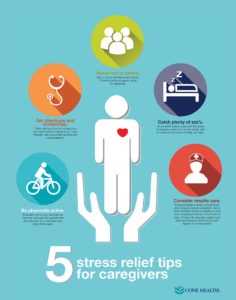
Are you the family care giver? Are you experiencing a degree of caregiver burnout? You may be meeting many of these needs of your loved ones. However, e you providing the best possible care at what cost?
“Many caregivers don’t see the extent of their own stress and caregiver burnout, so they do not realize that they need to take action or look into things that can help them,” says Barry J. Jacobs, Psy.D., a licensed psychologist in the state of Pennsylvania. “This puts those caregivers at greater risk for fatigue and depression and, ultimately, for being unable to continue their care giving duties.”
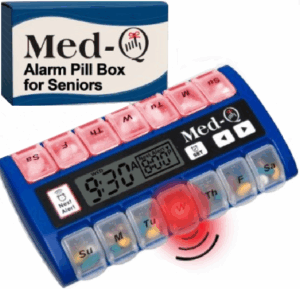
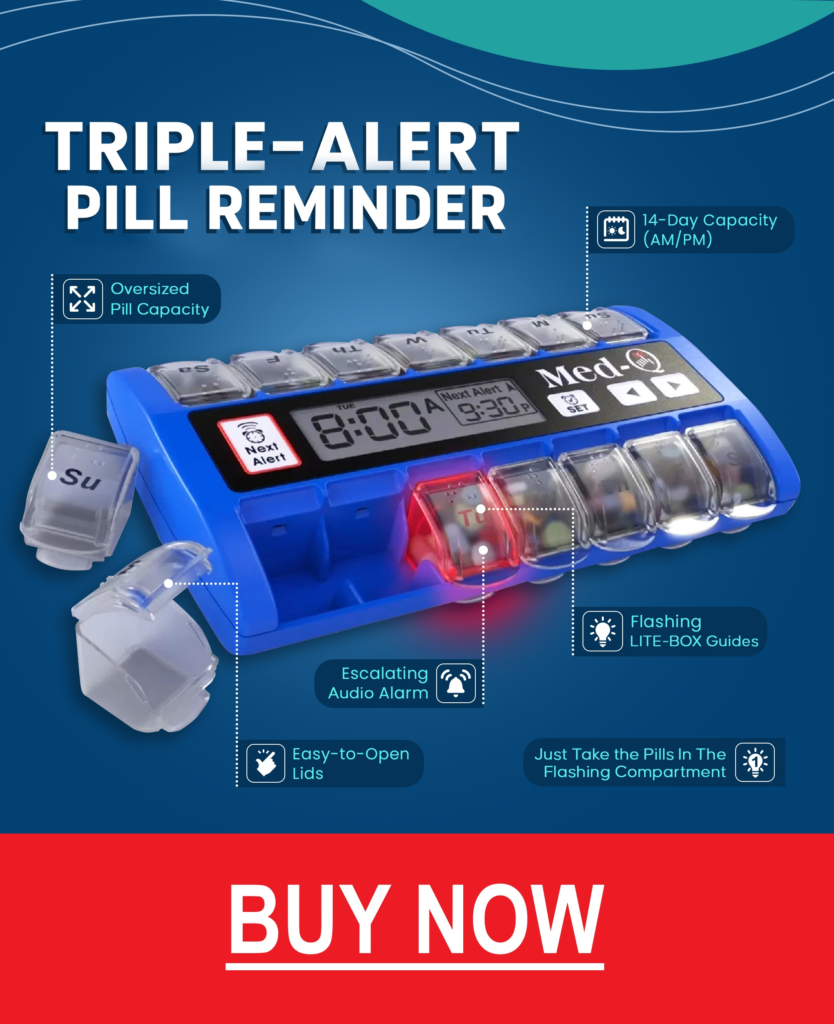
Dr. Jacobs wrote the book, “The Emotional Survival Guide for Caregivers: Looking After Yourself and Your Family While Helping an Aging Parent.” Jacobs also wrote “Meditations for Caregivers: Practical, Emotional and Spiritual Support for You and Your Family”. Med-Q smart Pill Dispenser with alarm editor, Samuel DeMar asked Dr. Jacobs to provide us with some good recommendations. The hope, helping the family caregivers better evaluate the stress and strain they’re experiencing. To sum up, this helps caregivers become more proactive in taking care of themselves.
Sponsored by MED-Q Programmable Pill Dispenser with Alarms
What are the consequences of ignoring the signs of burden and burnout?
The common cliché is still the most powerful way of helping caregivers. First, they need to understand and then prepare themselves for the long run.. Hence, being a caregiver is like running a marathon. Second, caregivers need to learn the lay of the land,. Third, they mist find a sustainable pace, and accept help when needed. Most amateur caregivers are just not equipped to successfully complete the race. In fact, they likely to stumble within the feet of the starting line.
The same applies for caregivers who ignore signs of stress as well as burnout.
First, always have an awareness of your caregiver’s limit. This is critical for obvious reasons. Second, all caregivers ought on alert for the physical signs of burnout. For example, back pain as well as headaches Furthermore, emotional symptoms such as persistent irritability and hopelessness become more apparent to you and the patient. Again, this will definitely undermine the ability to give the best kind of care possible. Don’t make the most common mistake. Trying to push through the warning sign is not smart. To sum up, ignoring will make themselves more, not less, likely to fail.. To illustrate, this will make things worse over the long run.
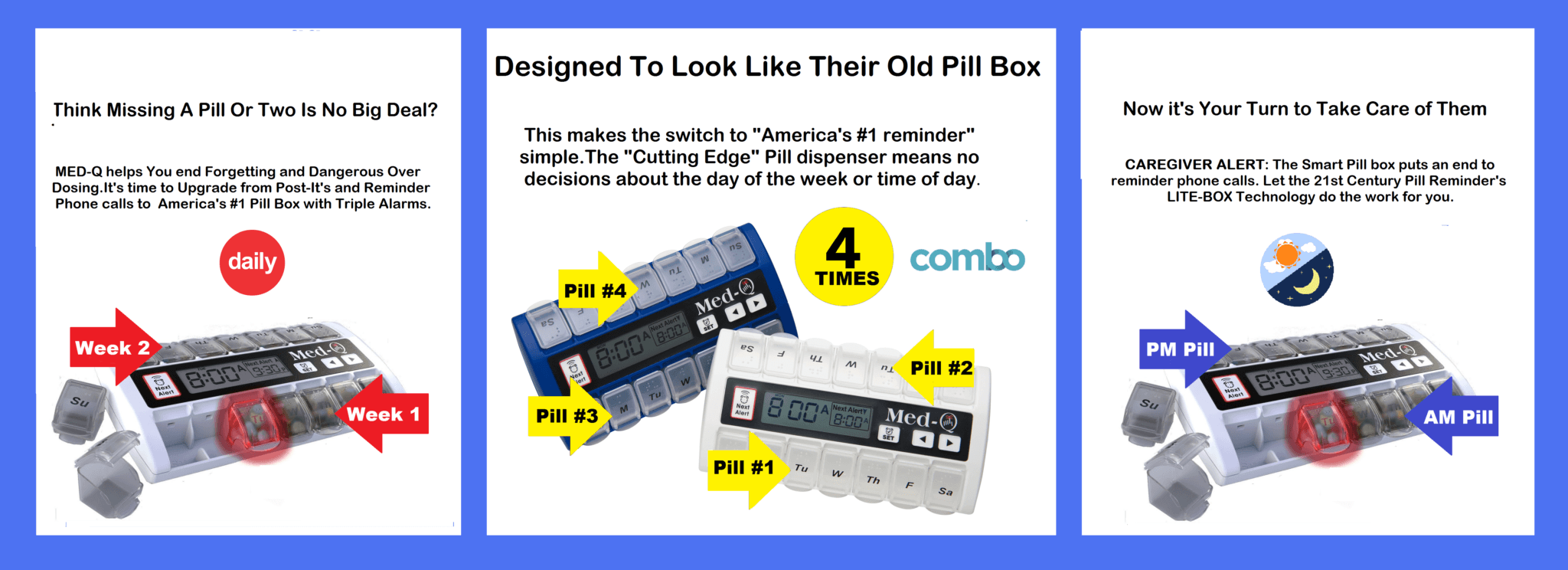
MED-Q Smart Pill Box: How can caregivers tell when they are overly stressed?
A common sign, demoralizing sense of dread. For example, when going to sleep, stressing over the next day’s chores. Another example, waking up with a feeling of heaviness and a reluctance to get out of bed. Caregivers who are full of dread will start to hate their daily care-giving routines. The irony, even though they love the person for whom they’re caring for. Hence, many resist suggestions for altering care-giving routines. . These caregivers will struggle until the day that they simply can’t physically or emotionally force themselves out of bed in the morning.
Another sign is constant yelling.
This is not a caregiver who becomes frustrated on occasion and yells at their care recipient. Guilt-ridden individuals tell us that they occasionally yell at family members. This happens when there is no caregiving is taking place. That is simply called, “typical, normal family life”. The concern, the caregiver who frequently loses control of their emotions. This leads to yelling, saying and doing hurtful things. In fact, there are some caregivers who should immediately change the way they provide care. Others, should stop caregiving altogether. The Caregiver burnout requires them to find alternative means for caring for a loved one.
For More Medication Management Information Visit:
- Managing medication for senior Independence and good health
- What is the best electronic pill reminder with alarm
- Best Smart pill dispenser alarm for Seniors
- Med-Q Electronic Medication Dispenser with alarms
- Med-Q Smart medication Reminder with alarm to the rescue
- Amazing Med-Q Weekly pill box alarm for Dad
- Med-Q Smart Pill Box with alarms For Alzheimer’s
- Smart Medication Timer Box to Prevent Dementia Over dosing
- Med-Q Weekly pill box alarm to the rescue
 Health care profsionals are in agreement, “For most medications, it is safer to accidentally miss a single dose than to double dose” . Keep in mind that the pill/dosing guidelines vary drastically depending on the medication. For example, it is different for blood thinners or something like birth control.), it is always best to double-check with a professional. If in doubt, call the local pharmacy you got the prescription filled. Also, call e the