What Caregivers should do if Dad refuses Medication
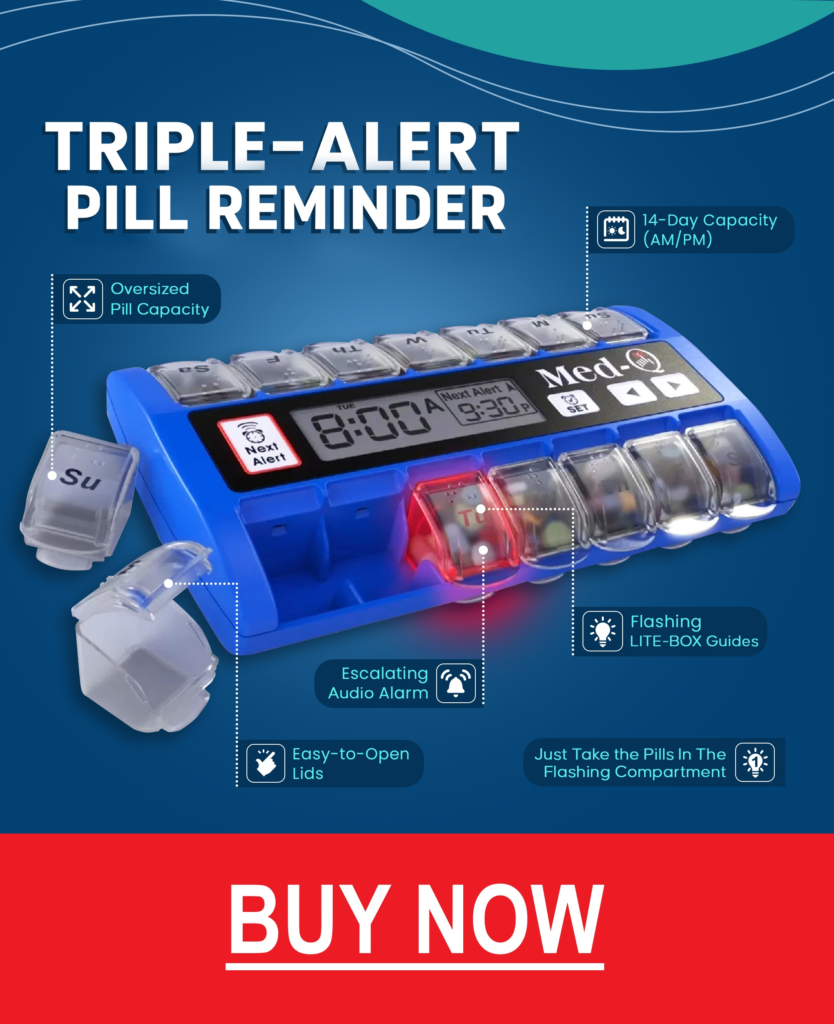
6 ways to help Dad take the medication he needs when he needs it. My Dad is refusing Medication to Take His Life Saving Meds. First of all, the problem is that my Father Won’t Take His Medications and supplements. For many, caregiving is just one new crisis after solving the old one.. However, it is not exaggerating when you say, ” It’s daily hassles are wearing me down”. For For example, make sure Dad is managing medications properly with a medication organizer with alarms. . Many caregivers feel frustrated when a parent or other family member rearranges the medication organizer. Finally, simply forgetting to take medications buy just saying “No!”
First the medical term for not taking meds as directed is called “Medical Non-Compliance”. Hence, nonadherence is the failure to take medications on time or in the correct dose amount.. Obviously, improper dosages as well as forgetting often leads to serious side effects or even worse. For example, confusion, dizziness or falls. Again, falls can often result in emergency room visits as well as being hospitalized.
What can you do to help Dad when he is refusing to Take His Life Saving Medications?

First, start with what you shouldn’t do. In short, never get into an emotional struggle with your Dad. . By the same token, arguing with Dad or trying to coax him will end up with bad feelings from both. Correspondingly, this will spill over into other aspects of the relationship. Again, this type of behavior will not alter anyone’s behavior anyway.
Better Approach on What Caregivers should do if Dad refuses Medications:
1. Consider getting a Smart Medication Organizer with alarms.
Med-Q Medication Compliance system staff writer says, ” Using a smart medication organizer helps to create a comfort zone. First, Elderly Men and Women suffer from AIMM’s (Age Induced Medication Mistakes). The problem will be made worse with Alzheimer’s or Dementia issues. Making a medication organizer with alarms the first line of defense to ensure proper dosing.
2. Set-up an evaluation meeting.
For example, your Dad can have an undiagnosed depression. In addition, he may be suffering with cognitive impairment. Hence, this is affecting his ability to take his pills as directed(Prescribed medication regimen). On the whole, be sure to ask your health care profession or the doctor for a current evaluation.
3. Keep an up-to-date medication list on hand.
First, make sure you include everything Dad is member taking. This will include over-the-counter meds. For example, aspirin, laxatives, vitamins, cold medicine as well as herbal supplements.. There are many online tools to help keep track. Med-Q Medication organizer recommends: UHF Next Step in Care medication management form.
What Caregivers should do if Dad refuses Medications
Review the medication list frequently. Always, recheck after an emergency room visit or hospitalization
4 Find out if the medications are really necessary to be taken.
First, take your current medication list with you on the next doctor’s appointment. Second, tell the doctor to check the medication combination. In like manner, lowering the number to the bare minimum can prevent negative side effects.
Anne Myrka, a pharmacist at IPRO, the Medicare Quality Improvement Organization for New York state, in contract with the Centers for Medicare & Medicaid Services, advises:
“Ask the doctor if each drug is necessary, whether it is appropriate for the person you are caring for, and whether it can be administered once a day instead of, say, every four hours.” Finally, Caregivers know that reducing the number of pills is a big help.
To sum up, the smaller the number of pills to be taken, the smaller the problem will be.
4. Centralize medication records by using a single Pharmacy
If possible, use only one pharmacy. Moreover, this will keep all your Dad’s records are in one location. However, if you get your scripts through a mail order plan, talk to the pharmacists on call. In the same way, they will discuss the prescriptions with you or your Dad.
5. Keep Talking with your Dad
Given these point, now comes the hardest part. First, talk with your Dad. Second, ask him why he doesn’t like certain pills. Third, ask hi if he forgets to take them. Finally, is he using a smart medication organizer with alarms as a reminder?
Here are some common excuses for Medication Non-Compliance (Forgetting or Overdosing)
My Pill Organizer is too confusing
My neighbor took this drug and had a stroke.
I feel better, so why do I need to take any medications?
I can’t afford all these pills. and I don’t like the way the drugs make me feel.
The pills are hard to swallow.
What Caregivers should do if Dad refuses Medication
In conclusion, the list of reasons for noncompliance goes on and on. In any event, know that there may be valid reasons (intelligent nonadherence) Hence, not willful bad behavior on Dad’s part” In essence, tDad’s sense that something is wrong and that a specific pill might be the cause Again, this is the time to ask the doctor or pharmacist a solution. For example, a different formulation or a better explanation of why the drug is important to Dad’d health and Independence..
With a reduction in pills as well as an accurate list in place, set up an easy medication reminder process. There are many different types of medication organizer. The newest pill boxes will give flashing notifications and audio reminders.. Given these points, medication compliance will be an ongoing struggle. Your part will be to reduce Dad’s pill taking burden in a smart way. In exchange, it is more likely that Dad is going to follow directions. To sum up, there is no doubt that both be better off.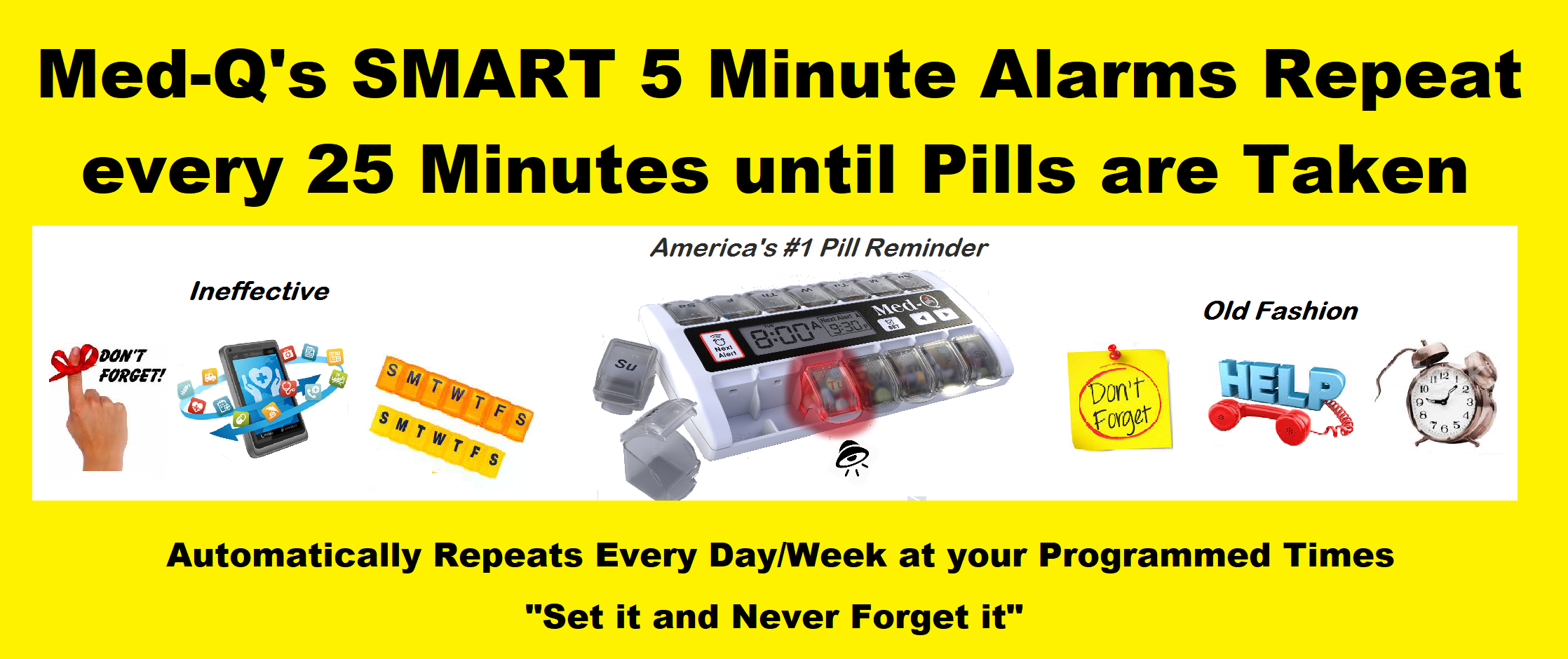
Finally,MED-Q Best programmable medication reminder alarm if Dad is refusing Medication.
The newest smart medication reminder is for Caregivers to help Dad take his Pills and supplements. Again, now is the to act if Dad is refusing to take the Medication. What to do when Dad’s pills are is a mess? To sum up, the Med-Q Medication Reminder or Smart Medication organizer with Timer is the Number 1 Medication organizer caregivers tool.
[cherry_sharing networks=”facebook,googleplus,pinterest,stumbleupon,reddit,twitter,linkedin,tumblr” style=”only-logos”]
Med-Q Offers More Health Care Info:
What happens if you don’t remember if you took your medications? When one is not sure if you took a pill, never, ever just take another dose yet. What could happen if you double dose? If someone ingests an additional dose, the consequences can be deadly. In fact, an extra dose can raise the risk of harmful effects. Check your pill organizer, count the remaining pills in the bottle, or review the instructions that came with your prescription to find specific guidance.
 Health care profsionals are in agreement, “For most medications, it is safer to accidentally miss a single dose than to double dose” . Keep in mind that the pill/dosing guidelines vary drastically depending on the medication. For example, it is different for blood thinners or something like birth control.), it is always best to double-check with a professional. If in doubt, call the local pharmacy you got the prescription filled. Also, call e the America’s Poison Centers at 800-222-1222 . This can help if you are concerned about over dosing.
- Use a weekly pillbox: These old fashion pill holders can be useful. They show a quick visual cue to show which days doses have been taken.
- Use a Digital Pill Reminder: Medication reminders, like the Med-Q pill Box. have flashing guides. These alarmed reminders help preventing over dosing.
- Try to do Habit stacking: Match up your daily pill-taking with a non-negotiable daily habit. For example, your first cup of coffee or brushing yourhair.
- Set electronic reminders: Use persistent reminder apps, alarm clocks, or simple smart phone alarm reminders.
What to do if Unsure?
The worry about over doing is real. When unsure whether the dose has been taken, the best thing to do is speak with your health care provider or even your pharmacist. They will advise you on the best course of action based on ythe specific medication. that is over dosed.
If you take oral tablets or capsules, you can count how many pills you have left. If you know when you started taking the pills out of that prescription bottle, this could help you determine whether you’ve taken your dose for that day.
Sometimes, when you haven’t taken your medication, there may still be time to take that dose. However, this could depend on the drug and dosing schedule.
Although in some cases, if it’s almost time to take your next dose, your doctor may recommend skipping the missed dose and taking your next dose at its regular time. Never take two doses at once to make up for a missed dose as doing so could raise your risk of side effects.
What happens if you accidentally take your medication twice?
Do not take more of a drug than your doctor prescribes. While serious side effects may be rare, for some medications, taking more than the recommended amount may lead to harmful effects or overdose. Some of the most dangerous medications to double-dose include:
- heart maintenece medications
- ADHD drugs, for example “Adderall”
- medications for Type 1 Diabetes
- prescription narcotic pain pills
- psychiatric medications , for example “Wellbutrin.”
If you have any doubt, act quickly.
Fist of all, contact your doctor right away. Let them know you may have accidentally taken two doses or three doses of your daily medication. They will offer up advice. The Healthcare profesional can often advise of what steps to take. Also, they will let you know about symptoms to watch out for.