How to lower the risk of a Heart Attack
Becoming Socially Isolated
Things That Raise the Risk of a Heart Attack. For example, the lonely hearts’ club is real. For example, having feelings of loneliness and social isolation has shown to raise the risk of having a heart attack. The newest data was released in a study published in the journal Heart. People who reported poor social relationships had a 29 percent higher risk of coronary disease was found in seniors that are socially isolated. In fact, a 30% higher risk of stroke or heart attack., . Why? Researchers believe loneliness increases chronic stress. Finally, stress is a huge risk factor for cardiovascular disease.
Make it part of a daily routine to hit the gym. Another example, develop a new hobby or take classes , call or Skype with friends or family. If you’re feeling socially isolated or depressed, talk to your doctor about the best course of action. You might benefit from talk therapy too.

Having an Untreated A-Fib Condition
 high blood pressure
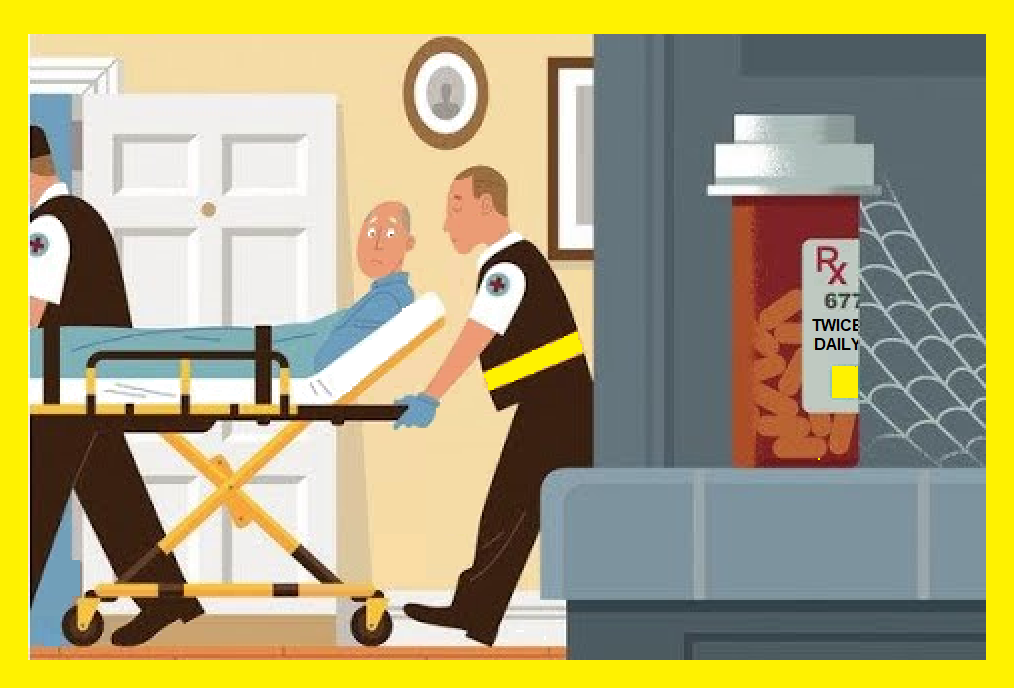
First, 25% of 40 plus year old Americans may develop an irregular heartbeat. In short, atrial fibrillation (AF or A-Fib). Again, reported by the Harvard Health Letter. Second, A-Fib lowers one’s heart’s pumping efficiency. For example, somewhere between 15-25%. Finally, it may cause heart failure, angina and stroke.
The Med-Q Smart Pill Box Solution
First, if you’re experiencing an irregular heartbeat, seek immediate medical attention. For example, symptoms like fluttering in your chest. Another example, heartbeat is racing or unusually slow. Again, talk with you health care professionals. They will initiate some basic tests. For example, an ECG or refer you to a cardiologist. , who may prescribe medication to put in their Med-Q Smart Pill Box Solution. Finally, other therapies may recommended.
Drinking to much Diet Pop
The most recent studies show some of the effects of drinking diet soda. First, drinking artificially sweetened beverages have a higher risk of metabolic syndrome. This is when your body has a new trouble processing insulin. Also, this may be a precursor to Type 2 diabetes. And that’s a heart attack risk.
 Risk of a Heart Attack
The Med-Q Smart Pill Box Solution: First of all trade sugary drinks and diet drinks with good old fashion water. For example some will make homemade spa water. There are some excellent carbonated options. For example, unsweetened LaCroix or Polar. First, some are infused with tea Second, some have low amounts of natural sugar from a dash of fruit juice.. Finally, stay away from artificial sweeteners.
Too Much Sleep

Too much of a good thing applies to sleep. Furthermore, particularly important as we get older. A review of research published in the Journal of the American Heart Association found that getting more than eight hours of shut-eye can increase the risk of cardiovascular disease. Nine hours comes with a moderate risk — and 11 hours was associated with a nearly 44 percent increase! (Un-fun fact: Oversleeping also increases your risk for dementia.)
The Med-Q Smart Pill Box Solution
These are the newest recommendation from sleep experts. Top of the list, the National Sleep Foundation. To illustrate, seniors ought to sleep 7-9 a night. Again, no more or no less.
Carrying Around Excess Weight
First of all, extra wight impacts the heart. The modern research offers that fat people have some control. In fact, those that achieve even a small loss of 4-8% can have a big impact. To sum up, lowering the total excessive body weight reduce their risk of strokes as well as cardiovascular disease.
The Med-Q Smart Pill Box Solution: Firt, find out your own healthy weight range. Second, try a plant-heavy diet. The goal, lowering consumption of empty calories in addition to processed foods. Third, become more active is one of the the easiest ways to drop excess fat.. Finally, never undertake a new diet without talking to your health care professional.
Not Having Sex often Enough
Research from the American Journal of Cardiology found that having sex less than once every 30 days less increases the chances of cardiovascular disease. Although erectile dysfunction (ED) can also be an indicator of heart disease. Finally, the study uncovered a link between low sexual activity and heart disease. The Med-Q Smart Pill Box Solution is to have more sex. However, it’s not clear from the study if masturbation had beneficial effects.
Having Untreated Diabetes
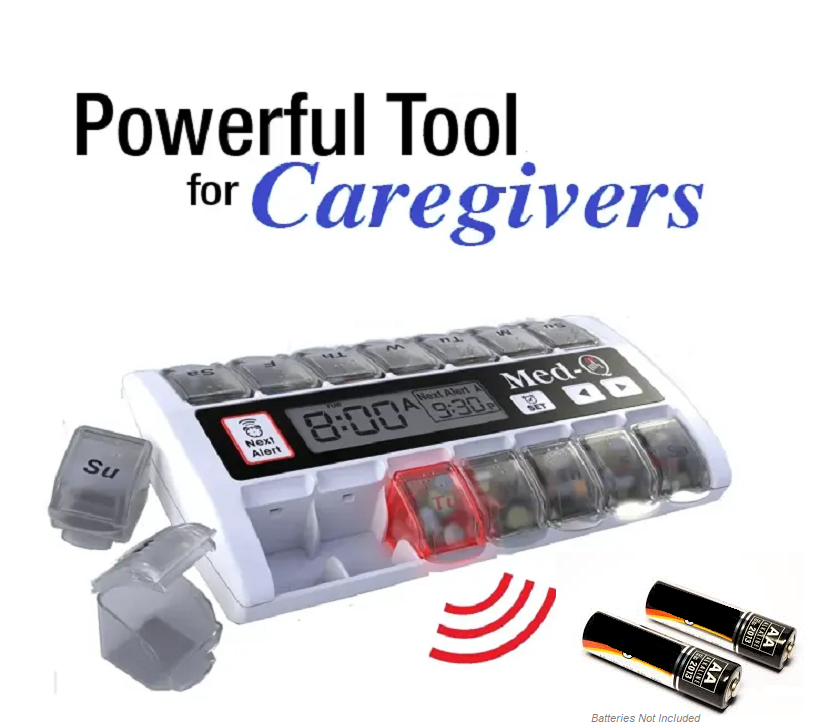
The risk of developing Type 2 diabetes increases dramatically over age 40, so much that the American Diabetes Association recommends a regular diabetes screening for all adults over 45. Diabetes causes sugars to build up in the blood; over time, that damages arteries and can lead to cardiovascular disease. Med-Q Smart Pill Box recoomends beiing screened in a physical. If you’re on medication for your diabetes, make sure you’re compliant with dosages and monitoring. Hnce, get a smart pill box alarm or medication box.
18. Smoking
Cigarette smoking is the No. 1 preventable cause of death, according to the Cleveland Clinic. And lung cancer isn’t the only major threat — toxins in cigarette smoke damage the lining of your arteries, causing them to thicken, while reducing the amount of oxygen in the blood. That spikes your risk of a heart attack.
The Med-Q Smart Pill Box Solution: Quit smoking ASAP; see your doctor for help. (It’s never too late: Even people who quit smoking between the ages of 65 to 69 can add one to four years to their lives, the Cleveland Clinic says.) And if you don’t smoke, this is not a golden-years habit you want to pick up.
20. Ignoring Your Family History
According to research published in the journal Circulation, men with a family history of heart disease had nearly a 50 percent increased risk of developing cardiovascular problems. The National Institutes of Health calls that family history a primary risk for heart disease. Are you doomed? No. But it’s all the more reason to prioritize heart health.
The Med-Q Smart Pill Box Solution: Make sure your doctor knows about your family history and ask if any additional screening tests would be a good idea. “Your family medical history is a key, but complex, risk factor for heart disease,” said Dr. Pradeep Natarajan, a cardiologist with Massachusetts General Hospital, in Harvard Men’s Health Watch. “The risk factor will always be there, but the longer you live without developing heart disease with healthy behaviors, the smaller its effect.”
21. Eating Ultra-Processed Food
We know that one key to heart health is to eat more whole foods and less processed junk, but experts have pinpointed a new enemy: What they call “ultra-processed food.” Two May 2019 studies published in The BMJ link highly processed food with an increased risk of cardiovascular disease and an increased risk of early death. What’s “ultra-processed”? The researchers listed “sausages, mayonnaise, potato chips, pizza, cookies, chocolates and candies, artificially sweetened beverages and whisky, gin and rum.” In other words, stuff you know you should be avoiding anyway. In other studies, highly processed food consumption has been correlated with higher risks of obesity, high blood pressure, high cholesterol — all risk factors for a heart attack.
The Med-Q Smart Pill Box Solution: Limit the proportion of ultra-processed food you eat, and increase unprocessed and minimally processed foods—like any food recommended by Eat This, Not That!
2. Eating Too Much Salt
Studies show that most Americans consume about 3,400mg of sodium daily — way over the recommended 2,300mg (which amounts to about one teaspoon of salt). High salt intake is a major risk factor for high blood pressure, which in turn ups your chance of having a heart attack.
The Med-Q Smart Pill Box Solution: Not only should you put down the salt shaker (according to the American Heart Association, ¼ teaspoon of salt is 575mg of sodium) but limit your consumption of fast food and processed foods, which tend to come loaded with sodium. They have so much, in fact, that if you eat them frequently, you might be over a healthy limit even if you don’t add salt to your meals.
23. Stressing Out All The Time
We all have stress, and no one wants to be called a snowflake, but science is clear that chronic stress is really bad for your body. “When stress is excessive, it can contribute to everything from high blood pressure, also called hypertension, to asthma to ulcers to irritable bowel syndrome,” said Ernesto L. Schiffrin, M.D., Ph.D., professor in the Department of Medicine at McGill University. Hypertension is bad for your heart — and stress leads people to engage in other unhealthy behavior that can tax your ticker, including drinking too much alcohol and stress-eating.
The The Med-Q Smart Pill Box Solution: Exercising, not smoking, eating a healthy diet and maintaining a healthy weight are good ways to deal with stress, said Schiffrin.
