
It is getting hot outside. In fact, summer is just around the corner. What does this mean? First of all, the temperatures are rising in all areas of the US. Second of all, this new heat will be putting people at risk. This is especially important in senior adults. These seniors are the most vulnerable to the dangers of summer heat. Finally, heat can even lead to hospital visits or even death. People need to be aware of heat and medication. If you are taking medications, they may interfere with your body’s ability to sweat as a way to cool yourself down.
 There are many types of pills that will impact on how well the body is able to handle heat. The same applies with lotions that are put directly on the skin. “These factors are more important to be taken into consideration for older people”. The reason, they tend to be on more of these medications”, as reported by Cecilia Sorensen, M.D., director of the Global Consortium on Climate Health and Education at Columbia University in New York City.
Sponsored by Med-Q Digital Pill Box with Triple Alarms
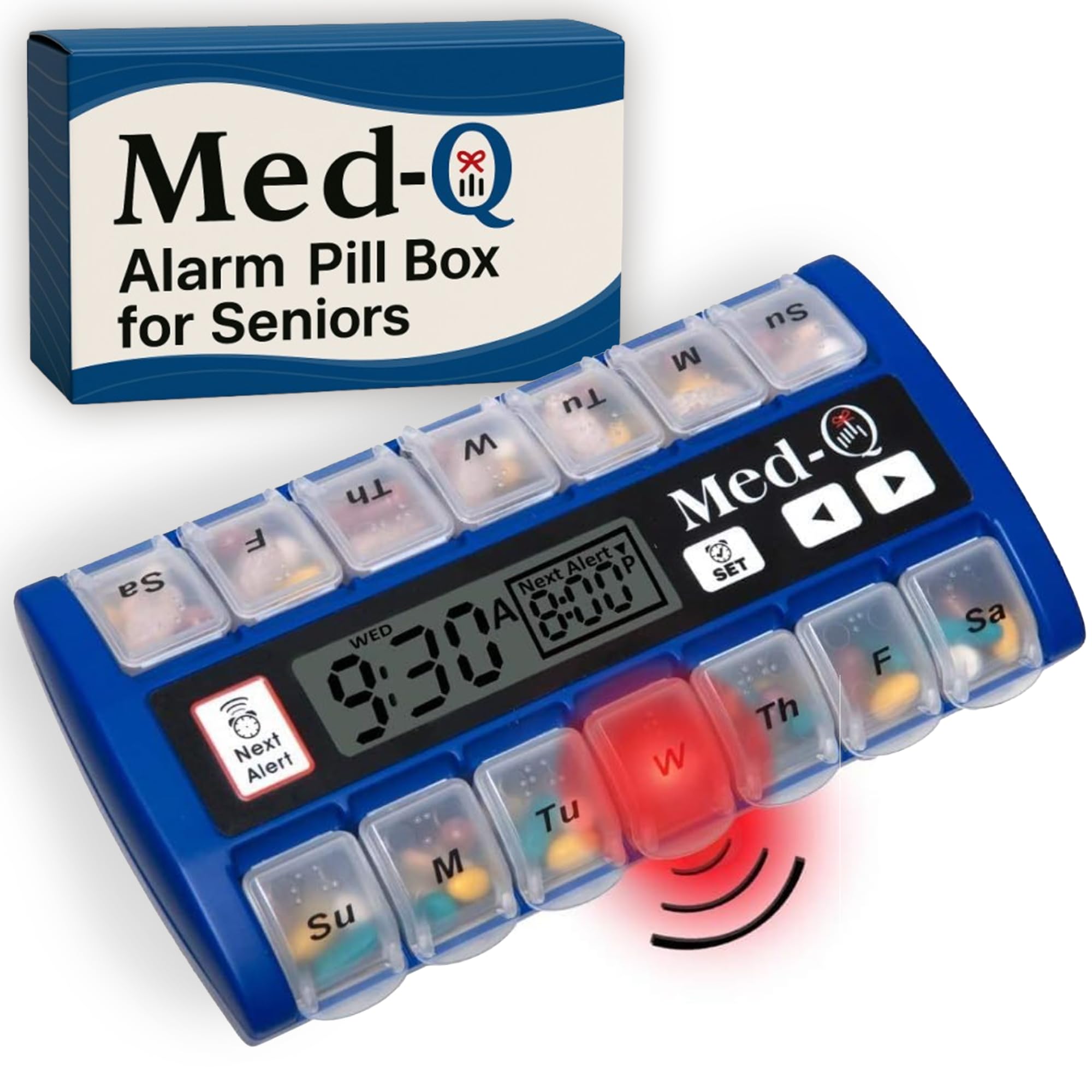
Often-overlooked side effect during heat waves induced side effects
The Environmental Protection Agency offers up this advice. Side effects are made worse during heat spells. These will increase in both intensity as well as their frequencies. The effects can happen not just during those stifling heat waves. Clinical studies have shown that older patients with chronic medical conditions have problems. The seniors who have a pill box filled with heat-sensitive medications will often have medication-related problems. Finally, these problems may last throughout the entire summer.
Medications and the Sun
First of all, is your medicine effecting your skin. Some medication can cause the skin to become very sensitive to sun light. here are five drugs can put you at greater risk. The risk is from sunburn-like symptoms. In addition people can develop a skin rash as well as many other kinds of negative side effects.
Antibiotics: tetracycline (Panmycin), doxycycline (Vibramycin), ciprofloxacin (Cipro), ofloxacin (Floxin)
Antifungals: griseofulvin (Gris-PEG)
Antihistamines: loratadine (Claritin), cetirizine (Zyrtec)
Statin cholesterol medications: simvastatin (Zocor), atorvastatin (Lipitor), lovastatin (Mevacor), pravastatin (Pravachol)
Diabetes medications: sulfonylureas like glipizide (Glucotrol), glyburide (Micronase)
What effect of medications comes from heat tolerance?
First, people need to get informed. They should be able to understand how your body deals with heat. Your body will attempt to maintain temperature. We all know, the ideal internal temperature of 98.6 degrees.
Humans need to stay cool even in hot weather. Nature has provided us some smart tricks. First, is perspiration, or plain old sweat. When your sweat will evaporates from your skin’s surface, it will cool down the body.
Your bllod vessels can be used as well. The actual blood vessels beneath their skin widen (vasodilate). This brings hot blood closer to your skin. This blood will release heat into the surrounding air.
Several different medications, though, can interfere with this complex thermoregulation system by limiting the body’s ability to sweat or by reducing blood flow to the skin. Medications can also cause dehydration, and some may make the skin more sensitive to the sun, causing a rash or sunburn. People over 65 are more susceptible to heat-related issues. Other factors can be having chronic medical conditions or being obese.
Kinds of medications that don’t do well with heat
Certain medications that can make it harder for your body to process heat. Below are some commonly used medications to be aware of.
1. Heart medications
Prescribed for high blood pressure and blood clot prevention and to support the pumping function of the heart.
Diuretics (also called water pills): furosemide (Lasix), chlorthalidone (Hygroton), hydrochlorthiazide (Microzide, HydroDiuril)
Beta blockers: metoprolol (Toprol, Lopressor), atenolol (Tenormin), carvedilol (Coreg), propranolol (Inderal)
ACE Inhibitors: lisinopril (Zestril, Prinivil)
Angiotensin II receptor blockers (ARBs): losartan (Cozaar), valsartan (Diovan)
Antiplatelets: clopidogrel (Plavix)