The top 2 leading cause of death have remained the same.
Again, Heart disease and cancer still top the list. These two illnesses are #1 and #2 causes of death in the U.S.. Furthermore, the gap is closing between the two causes of death. The shocking truth, medication errors have risen to #3. Hence, medication non-compliance is the third leading cause of death. A new report out from the Centers for Disease Control and Prevention looks at this trends in the U.S. health and mortality. To sum up, these illnesses or mistakes will most likely take lives.
2014 reported 2,626,418 deaths in the United State
Bob Anderson is the chief of the CDC’s Mortality Statistics Branch. In a CBS interview he said , ” the 10 leading causes of death in 2014 remained the same as the previous year. However, in 2016 a new turned has shown up. The trend, preventable deaths from medication errors. This being said, Dr Anderson said, “We all have to die of something at some point”.
1. Cardiovascular or Heart disease
Cardiovascular disease has topped the list for many years . However, the number of deaths as well as the actual death rate for heart disease has dropped significantly. Women’s heart disease has often been overlooked. The trends in cardiovascular disease is starting to come down. It mirrors the decline in the number of smokers. The data supports a rapid decline in heart disease in last 10 or 25 years is . The decline has been fairly rapid. This is a mirror of our aging population.
Major symptoms of a heart attack:
- Pain or discomfort in the jaw, neck, or back.
- Feeling weak, light-headed, or faint.
- Chest pain or discomfort.
- Pain or discomfort in arms or shoulder.
- Shortness of breath.
Sponsored by the MED-Q Medication Compliance System
2. All kinds of Cancers
Cancer is experiencing a gradual increase in deaths. However, there has bee a small declined since 1995. First of all, not smoking was quickly reflected in a reduction in heart disease-related deaths. Furthermore, growing cancer deaths reflect the longer term damage smoking does to one’s own health and mortality.
- “Cancer tends to occur a little bit later, it’s a more chronic issue. It kills you later than heart disease does on average,” said Anderson. “You see this increase in cancer mortality — a lot of it is lung cancer.”
3. Medical Errors Are No. 3 Cause Of U.S Deaths
Johns Hopkins Medicine has released a new study. The study reports that medical errors has become the third leading cause of death in the United States. Hence, the problem may be worse the thought . To sum up, shortcomings in tracking the important stats often will hinder research. In conclusion, this has helped to keep the problem out of the public media.
The authors, led by Johns Hopkins surgeon Dr. Martin Makary, has request some changes. The doctor has called for a modernization of death certificates. Hence, the new method will better tabulate the deadly lapses in healthcare. In an open letter, they urge the Centers for Disease Control and Prevention to immediately add medical errors to its annual list reporting the top causes of death.
Johns Hopkins study has shown that over 240 Thousand Americans die each year from medical mistakes.
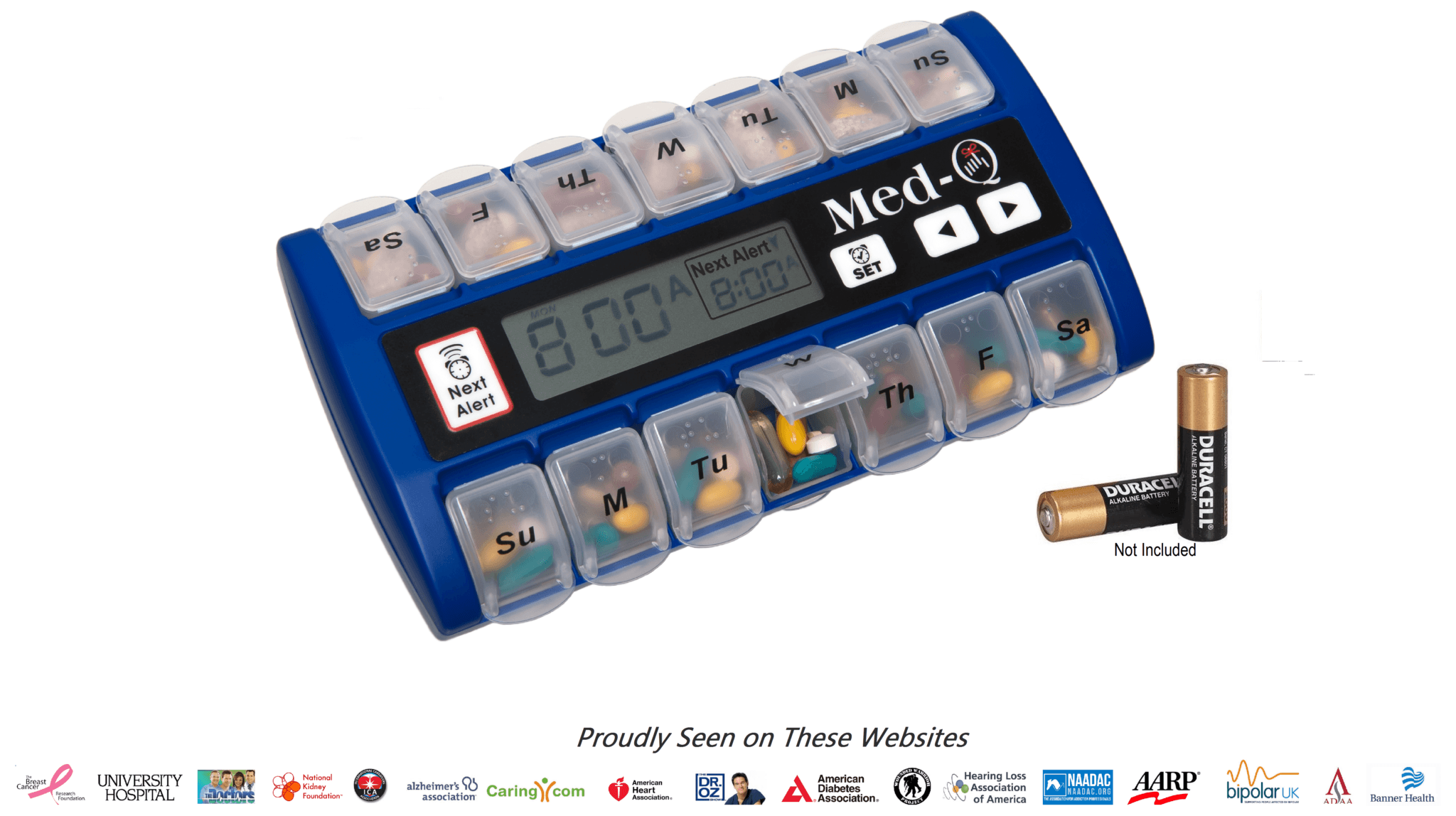
First of all, that would rank just behind heart disease and cancer. The top 2 took about 615 thousand lives in 2015. A smart pill box with alarm and timer can help with home errors. The generation of smart pillboxes will greatly reduce medication errors. Hence. a reduction in deaths.
Sponsored By the MED-Q Medication Compliance System
4. Chronic lower respiratory diseases
Chronic obstructive pulmonary disease (COPD) is mainly from smoking. Hence smoking related deaths makes up the majority of these deaths. The number is also made up of other respiratory diseases. For example deaths from chronic bronchitis, emphysema and asthma. Again, smoking earlier in life or throughout life is a huge factor in respiratory disease deaths. Finally, this includes secondhand smoke-related illnesses.
5. Accidental deaths
For example, car accidents, drug overdoses, and deadly falls as well as other injuries make up this category.
The largest proportions of accidental deaths come from car accidents. Furthermore, drug overdoses are a close second. Note, does not include suicide. The number of accidental drug-related deaths is growing steadily. To illustrate, they are on the rise with the epidemic of heroin and opioids.
Car accident death rate has dropped when seat belts and car seats for kids were mandated. “They have have saved 10’s of thousands of lives.
6. Strokes
First of all, don’t confuse Cerebrovascular disease with a stroke. First, a stroke is not considered heart disease. Second, a stroke will involve blood vessels. To better illustrate, a “Stroke is centered in one’s brain, while heart disease is from the heart. A stroke is a blockage in blood vessels leading to the brain. The results, a hemorrhage due to an aneurisms.
The numbers have dropped substantially. For many decades, cerebrovascular disease was the 3rd leading cause of death. and now it’s at five. For example, lower levels of smoking as well as healthy behaviors has been effective. In addition, new treatment methods have had a positive impact. We’ve gotten very good at treating cardiovascular disease generally and that’s had an impact on both heart disease and stroke deaths. It’s a combination of both prevention and treatment,” Anderson said.
7 Alzheimer’s disease
Alzheimer’s disease has rapidly been climbing the list. First, much of the increase in Alzheimer’s recognition is due to better diagnosis. Second, heath Care professionals that actually work on this have offered better diagnostic standards as well as new criteria. Third, many of the deaths could have labeled as dementia.
However, the jump is not just from better diagnosis and reporting. Alzheimer’s risk are on the rise. Moreover, the risk will increase as the individual gets older. To sum up, more people are living to older ages and developing Alzheimer’s.
The top 7 leading causes of death in the U.S. will change
The leading causes of death are always changing. The results of life style, culture as well as modern medication. To sum up, a proactive stance on health is important. As The MED-Q Smart Pill Box with Alarms says, “Take Control of Health before Health Takes Control of You.