Dangers of Forgetting or Taking the Wrong Medication

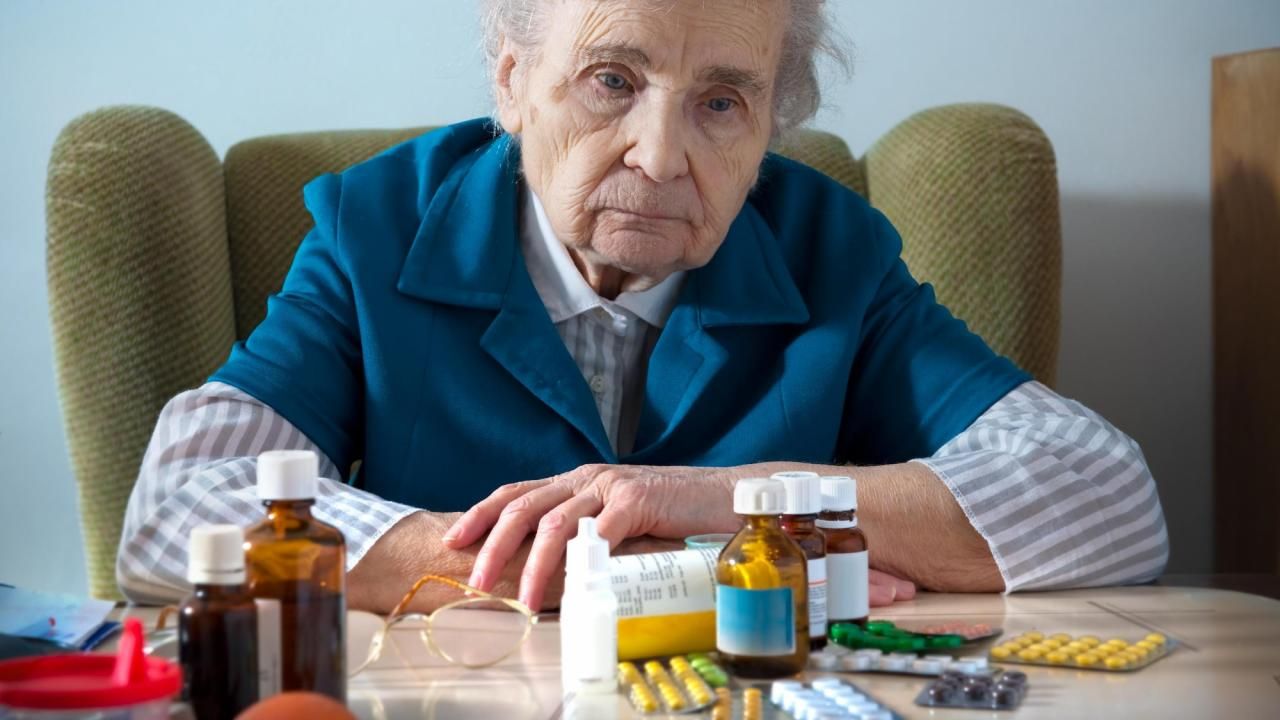
How important are Prescription medications? It is safe to say that Prescription Pills play a vital role in the health and well-being, This is even stronger when talking about seniors. Pharmacies dispensed more than 5.9 billion prescriptions in 2021. With every one taking pills, it is critical that medications are taken as prescribed. Ensuring proper adherence to medication guidelines is vital if not life-savin.
Consequences of seniors forgetting medication include
Increased risk of adverse drug reactions
Diminished effectiveness of medications
Increased risk of medication errors, such as taking the wrong medication or incorrect dosage
Risk of overdose
Hospitalization may be necessary.
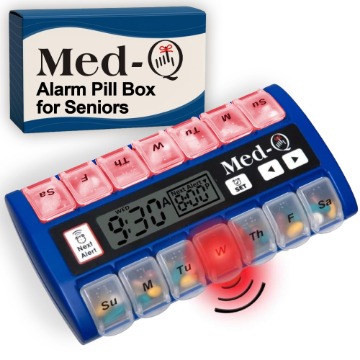
Sponsored by Med-Q Medication Compliance System
The figures about Medication Mistakes Is Staggering
It is common knowledge that seniors are the primary consumers of healthcare as well as taking prescription pills. The truth, Over half of senior men and women do not adhere to the medication prescribed instructions. 45 percent off who do not adhere do so on purpose. Also, the other half are not aware they are taking their medications wrong. Sometime because the regimen is too complicated. This lack of adherence contributes to up to 25 percent of hospital admissions and approximately 125,000 deaths each year. Furthermore, it leads to avoidable healthcare costs amounting to hundreds of billions of dollars annually.
Forgetting to take prescribed pills or ingesting the wrong medications can be disastrous. An in-home care professional can help ensure your elderly loved ones take the right medication at the right time.
A multitude of dangerous side effects come from errors. It has happened that fatal occurrences can happen seniors taking the wrong pills. Negative side effects result from failing to comply with medication instructions.
Med-Q igitl Pill Box is listing the 6 most consequences of medication non-adherence:
Medication waste
Progression of illness or condition
Increased risk of pain, bleeding, and organ failure
Reduced functional abilities
Lower quality of life
Increased hospital visits and admissions