Over-the-counter and prescription drug labeling
Getting the right drug to the right patient.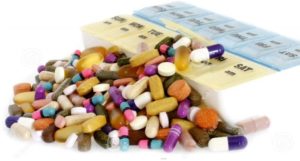 FDA has put into plhase rules requiring barcodes on certain drug and biological product labels. Barcodes allow healthcare professionals to use barcode scanning equipment to verify that the right drug — in the right dose and right route of administration — is being given to the right patient at the right time. This system is intended to help reduce the number of medication errors that occur in hospitals and other healthcare settings.
FDA has published several guidances to help manufacturers design their drug labels, labeling, packaging, and select drug names in a way to minimize or eliminate hazards that can contribute to medication errors. For example, in 2016, FDA issued a final guidance titled, Safety Considerations for Product Design to Minimize Medication Errors. To avoid errors and encourage safe use of drugs, the guidance recommendations include:
FDA has put into plhase rules requiring barcodes on certain drug and biological product labels. Barcodes allow healthcare professionals to use barcode scanning equipment to verify that the right drug — in the right dose and right route of administration — is being given to the right patient at the right time. This system is intended to help reduce the number of medication errors that occur in hospitals and other healthcare settings.
FDA has published several guidances to help manufacturers design their drug labels, labeling, packaging, and select drug names in a way to minimize or eliminate hazards that can contribute to medication errors. For example, in 2016, FDA issued a final guidance titled, Safety Considerations for Product Design to Minimize Medication Errors. To avoid errors and encourage safe use of drugs, the guidance recommendations include:
- Tablets and other oral dosage forms should have distinct and legible imprint codes so healthcare providers and consumers can verify the drug product and strength.
- Oral syringes and other dosing devices co-packaged with a liquid oral dosage form should be appropriate for the doses to be measured. Dosing errors have been reported when an oral syringe is labeled in milligrams but the dose is prescribed in milliliters.
- The package design should protect the consumer against incorrect use. Medications applied to the skin (topical) should not be packaged in containers that look like the containers usually associated with eye, ear, nasal, or oral products. Similar looking containers have resulted in people putting a topical product in the eye, ear, nose, and mouth.
 Over-the-counter and prescription drug labeling
According to a Harris Interactive Market Research Poll conducted for the National Council on Patient Information and Education and released in January 2002, consumers tend to overlook important label information on over-the-counter (OTC) drugs. In response to that report, FDA now requires a standardized “Drug Facts” label on more than 100,000 OTC drug products. Modeled after the Nutrition Facts label on foods, Drug Facts helps consumers compare and select OTC medicines, and follow instructions. The label clearly lists active ingredients, inactive ingredients, uses, warnings, dosage, directions, and other information, such as how to store the medicine.
In 2006, FDA revised its rules for the content and format of prescribing information for prescription drug and biological products. The new look helps healthcare professionals find the information they need more easily and quickly. FDA also makes updated prescribing information available on the Web at Drugs@FDA.
Consumers play an important role
Over-the-counter and prescription drug labeling
According to a Harris Interactive Market Research Poll conducted for the National Council on Patient Information and Education and released in January 2002, consumers tend to overlook important label information on over-the-counter (OTC) drugs. In response to that report, FDA now requires a standardized “Drug Facts” label on more than 100,000 OTC drug products. Modeled after the Nutrition Facts label on foods, Drug Facts helps consumers compare and select OTC medicines, and follow instructions. The label clearly lists active ingredients, inactive ingredients, uses, warnings, dosage, directions, and other information, such as how to store the medicine.
In 2006, FDA revised its rules for the content and format of prescribing information for prescription drug and biological products. The new look helps healthcare professionals find the information they need more easily and quickly. FDA also makes updated prescribing information available on the Web at Drugs@FDA.
Consumers play an important role
 Consumers can also play an important role in reducing medication errors. Here are some drug safety tips:
- Know the various risks and causes for medication errors. See ISMP’s consumer web page, ConsumerMedSafety.orgExternal Link Disclaimer, for helpful tools and resources to protect yourself from medication errors.
- Find out what drug you’re taking and what it is for. Rather than simply letting the doctor write you a prescription and send you on your way, be sure to ask the name of the drug and the purpose of the drug.
- Find out how to take the drug and make sure you understand the directions. Ask if the medicine needs to be kept in the refrigerator.
- Check the container’s label every time you take a drug. This is especially important if you are taking several drugs because it will lower your risk of accidentally taking the wrong medicine.
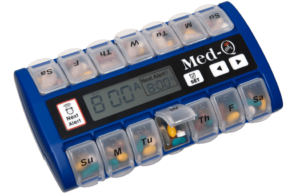
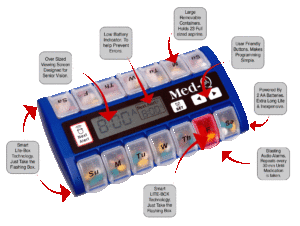
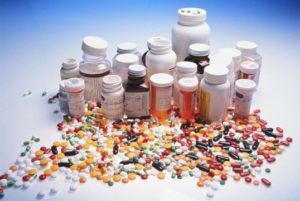
- Keep drugs stored in their original containers. Many pills look alike, so keeping them in their original containers will help know the name of the drug and how to take them. If you are having trouble keeping multiple medications straight, ask your doctor or pharmacist about helpful aids.
- Keep an updated list of all medications taken for health reasons, including OTC drugs, supplements, medicinal herbs, and other substances. Give a copy of this list to your healthcare provider.
- Be aware of the risk of drug/drug or drug/food interactions.
- If in doubt or you have questions about your medication, ask your pharmacist or other healthcare provider.
- Report suspected medication errors to MedWatch.