Medication errors: Cut your risk with these tips
Medication errors are preventable. Your best defense is asking questions and being informed about the medications you take.
Medication errors refer to mistakes in prescribing, dispensing and giving medications. They injure hundreds of thousands of people every year in the United States. Yet most medication errors can be prevented. How can you protect yourself and your family?
One of the best ways to reduce your risk of a medication error is to take an active role in your own health care. Learn about the medications you take — including possible side effects. Never hesitate to ask questions or share concerns with your doctor, pharmacist and other health care providers.
What exactly are medication errors?
Medication errors are preventable events due to the inappropriate use of medications. Medication errors that cause harm are called preventable adverse drug events. If a medication error occurred, but didn’t hurt anyone, it’s called a potential adverse drug event.
An example of a medication error is taking an over-the-counter product that contains acetaminophen (Tylenol, others) when you’re already taking a prescription pain medicine that contains this exact ingredient. This mistake could cause you to take more than the recommended dose of acetaminophen, putting yourself at risk of liver damage.
Another example of a possible medication error is taking a depression medication called fluoxetine (Prozac, Sarafem) with a migraine drug called sumatriptan (Imitrex). Both medicines affect levels of a brain chemical called serotonin. Taking them together may lead to a potentially life-threatening condition called serotonin syndrome. Symptoms of the dangerous drug interaction include confusion, agitation, rapid heartbeat and increased body temperature, among others.
How do medication errors happen?
Medication errors can happen to anyone in any place, including your own home and at the doctor’s office, hospital, pharmacy and senior living facility. Kids are especially at high risk for medication errors because they typically need different drug doses than adults.
Knowing what you’re up against can help you play it safe. The most common causes of medication errors are:
- Poor communication between your doctors
- Poor communication between you and your doctors
- Drug names that sound alike and medications that look alike
- Medical abbreviations
Know how to prevent medication errors
Knowledge is your best defense. If you don’t understand something your doctor says, ask for an explanation. Whenever you start a new medication, make sure you know the answers to these questions:
- What is the brand or generic name of the medication?
- What is the medication supposed to do? How long will it be until I see results?
- What is the dose? How long should I take it?
- What should I do if I miss a dose?
- What should I do if I accidentally take more than the recommended dose?
- Are there any foods, drinks, other medications or activities I should avoid while taking this medicine?
- What are the possible side effects? What should I do if they occur?
- Will this new medication interfere with my other medication(s)? If so, how?
Your doctor can help prevent medication errors by using a computer to enter and print (or digitally send) any prescription details, instead of hand writing one.
Participate in medication reconciliation
Asking questions is essential, but it isn’t enough. Your health care providers can follow a process called medication reconciliation to significantly decrease your risk of medication errors.
Medication reconciliation is a safety strategy that involves comparing the list of medications your health care provider currently has with the list of medications you are currently taking. This process is done to avoid medication errors such as:
- Missing medications (omissions)
- Duplicate medications
- Dosing errors
- Drug interactions
Medication reconciliation should be done at every transition of care in which new medications are ordered or existing orders are rewritten. Transitions in care include changes in setting (such as being admitted or discharged from the hospital), health care provider or level of care.
Sharing your most up-to-date information with your health care providers gives the clearest picture of your condition and helps avoid medication mistakes.
Here’s what you need to tell your health care providers:
- The name and strength of all medications you’re taking and when you take them, including prescription medications, herbs, vitamins, nutritional supplements, over-the-counter drugs, vaccines and anything received intravenously, including diagnostic and contrast agents, radioactive medications, feeding tube supplements and blood products
- Any medications that you’re allergic to or that have caused problems for you in the past
- Whether you have any chronic or serious health problems
- If you might be pregnant or you’re trying to become pregnant
Avoid these mistakes
The following medication errors have happened to some people. Don’t make these same mistakes:
- Confusing eardrops and eyedrops. Always double-check the label. If a medication says “otic,” it’s for the ears. If it says “ophthalmic,” it’s for the eyes.
- Chewing nonchewables. Don’t assume chewing a pill is as good as swallowing it. Some medications should never be chewed, cut or crushed. Doing so may change how they’re absorbed by the body.
- Cutting up pills. Never split pills unless your doctor or pharmacist has told you it’s safe to do so. Some medications shouldn’t be cut because they’re specially coated to be long acting or to protect the stomach.
- Using the wrong spoon. The spoons in your silverware drawer aren’t measuring spoons. To get an accurate dose, use an oral syringe (available at pharmacies) or the dose cup that came with the medication.
Make safety a habit
Get into the habit of playing it safe with these medication tips:
- Keep an up-to-date list of all your medications, including nonprescription drugs and supplements.
- Store medications in their original labeled containers.
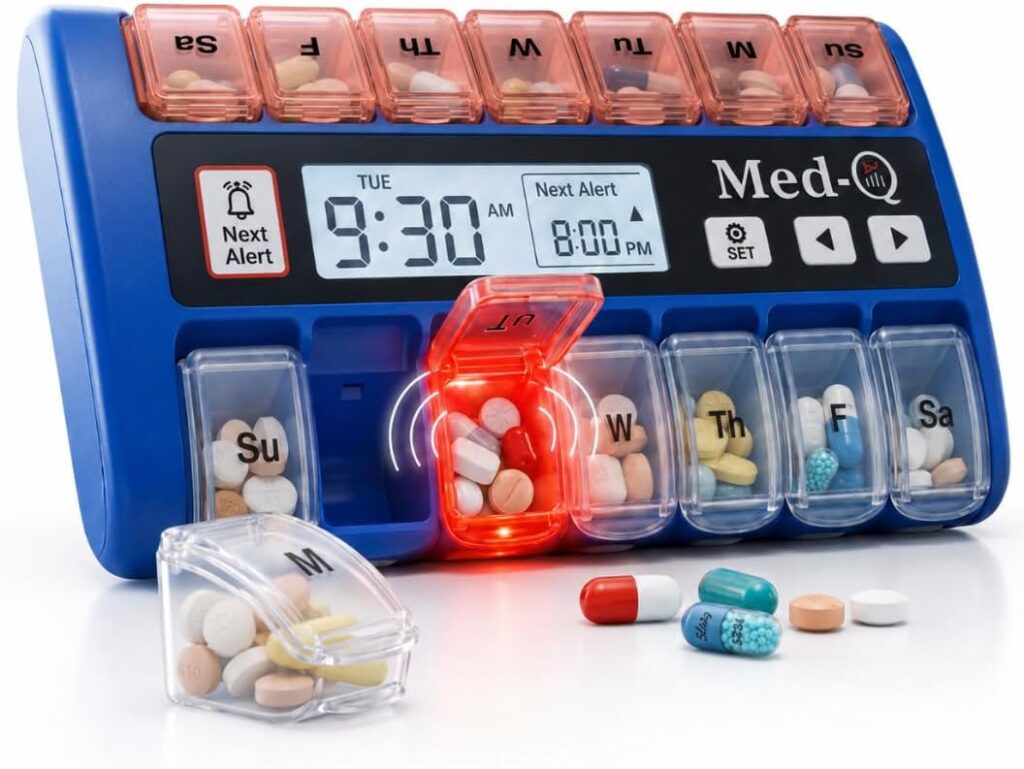
- Keep your medications organized by using a pillbox or an automatic pill dispenser.
- Save the information sheets that come with your medications.
- Use the same pharmacy, if possible, for all of your prescriptions.
- When you pick up a prescription, check that it’s the one your doctor ordered.
- Don’t give your prescription medication to someone else and don’t take someone else’s.
A final word on medication errors
“Don’t ask, don’t tell” is never a smart policy when it comes to medications and your health. Don’t hesitate to ask questions or to tell your health care providers if anything seems amiss. Remember, you’re the final line of defense against medication errors.
If despite your efforts you have problems with a medication, talk with your doctor or pharmacist about whether to report it to MedWatch — the Food and Drug Administration safety and adverse event reporting program. Reporting to MedWatch is easy, confidential and secure — and it can help save others from being harmed by medication errors.