Best Ways to Prevent Falls from Dementia
DEMENTIA FALLS AND THE BEST WAYS FOR PREVENTION

What is the Best Ways to Prevent Falls from Dementia? First of all, Elderly men and women with symptoms of dementia are 1000% more likely to fall than other seniors. The data from, the ” Incidence and Prediction of Falls in Dementia: A Prospective Study in Older People” offers valuable information. To sum up, dementia will bring in new fall risks. These risks are above and beyond the standard reasons why seniors may fall.
Here are some of the reasons why people that have dementia have a greater falling risk:
- Loss of mobility as well as balance. For example, new found muscle limitations
- Changes in senior’s Vision. to illustrate, this makes depth, colors as well as small objects harder to discern
- Medications may lead to drowsiness and light headiness. Finally, lower blood pressure to an unsafe level.
- A significant slowing in the processing of surroundings as well as sudden changes in the situation
- Having a lapse in Memory makes it hard for dementia sufferer to concentrate.
[mpsl slider5adb952c284b0]
In conclusion, falls are the #1 cause of fatal and non-fatal injuries among seniors. Again, it is crucial that the caregivers of people suffering from dementia put extra effort into preventing falls.
Here are some additional Ways to Prevent Falls from Dementia
There are many important facts. First of all, always keep in mind to make your patient or loved one’s home fall risk free. Here are some easy tips you can do to keep them as safe as possible.
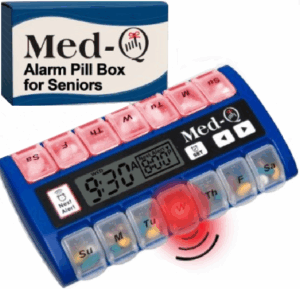
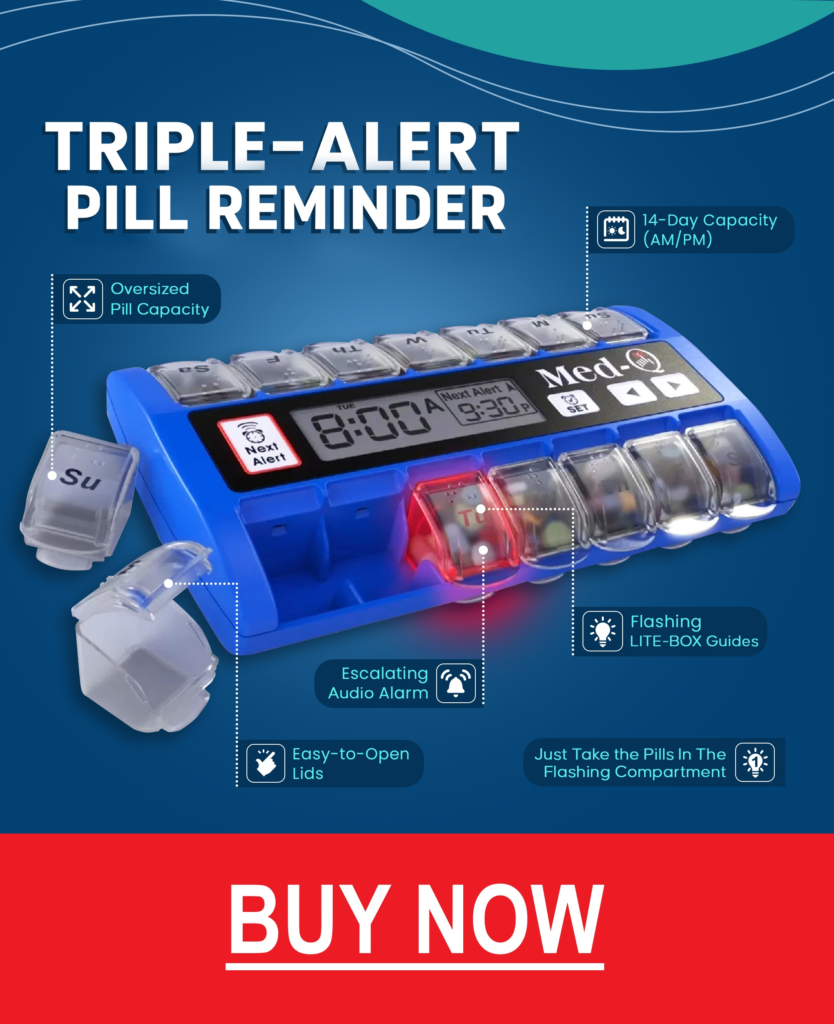
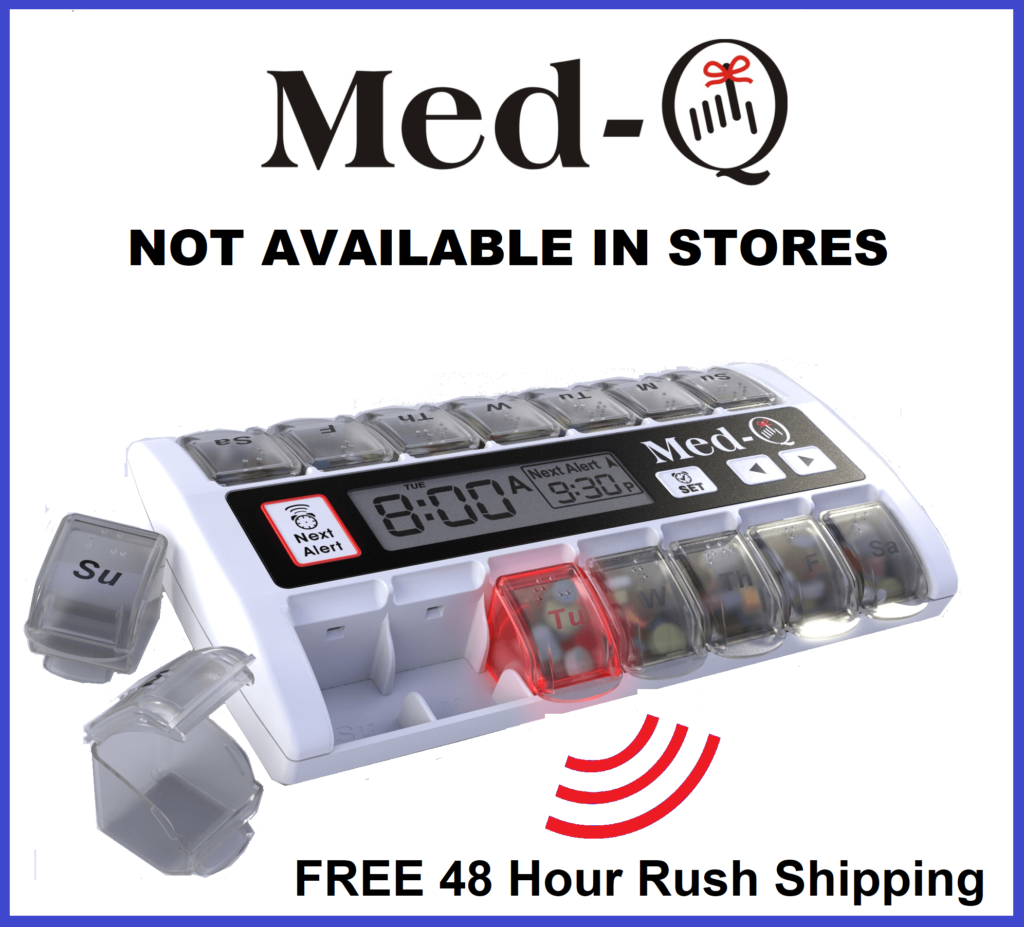
- One of the Best Ways to Prevent Falls from Dementia is to Monitor medications. First, with the help of your doctor, try to get rid of medications that are raising the patient’s fall risk. For example, sleep aids as well as other narcotics) and aren’t vital. Make sure their smart pill box is accurate.
- Keep all of the patients living areas clear of tripping hazards. For example, throw rugs and uneven floors.
- Make sure the house is adequately lite.
- Help the patient go to the bathroom often. Hence, this will eliminate hasty trips when accidents could happen.
- Always try to use visual cues. This will remind patients where they need to go.
- Schedule regular eye examinations. Again, vision issues are a leading cause for falls!
- Avoid bifocals for patients’. They may cause depth perception issues which leads to making it difficult to climb steps.
- Try vitamin D, current research has shown that Vitamin D can decrease chances of a fall.
- Try to keep noise level down. First, these noises can triggering anxiety attacks. Attacks can lead to dementia sufferers being unsteady and eventually lead to a falling.
[cherry_sharing networks=”facebook,googleplus,pinterest,stumbleupon,reddit,twitter,linkedin,tumblr” style=”only-logos”]
 Health care profsionals are in agreement, “For most medications, it is safer to accidentally miss a single dose than to double dose” . Keep in mind that the pill/dosing guidelines vary drastically depending on the medication. For example, it is different for blood thinners or something like birth control.), it is always best to double-check with a professional. If in doubt, call the local pharmacy you got the prescription filled. Also, call e the